Outdoor relaxation is one of life's simple pleasures, and few pieces of outdoor furniture offer the comfort and elegance of an outdoor sun lounger. Whether you're soaking up sunshine on your deck, poolside, or nestled in your garden, your outdoor sun lounger is both a style statement and a sanctuary. However, leaving it exposed to unpredictable weather can dramatically shorten its lifespan. Here’s a complete guide to protecting your sun lounger from the elements, ensuring it stays beautiful and functional for years to come.
_oCfO6U.jpg)
_DTyizs.jpg)
Understand What You’re Up Against
Weather-related wear and tear is no joke. Your backyard sun lounger may face:
Rain and Moisture: Excess moisture can lead to mold, mildew, and rust.
UV Rays: Prolonged sun exposure fades fabrics and deteriorates wood or plastic materials.
Wind: Can topple or damage lightweight loungers.
Cold and Snow: Causes materials like metal and wood to contract and crack over time.
By understanding these threats, you’ll be more equipped to fight back effectively.
Invest in a Waterproof Sun Lounger Cover
One of the most effective strategies is using a high-quality cover. A waterproof sun lounger cover not only blocks rain but also protects against UV rays and dust. When shopping for a cover, ensure it is:
Made from heavy-duty, UV-resistant material.
Sized appropriately for your outdoor sun lounger.
Equipped with adjustable straps or elastic hems to prevent it from blowing away.
Covering your lounger every time it's not in use may feel tedious, but it’s a small habit that significantly extends its life.
Choose Durable, Weather-Resistant Materials
If you haven’t bought a lounger yet, or are looking to replace one, choose wisely. A waterproof sun lounger constructed with rustproof aluminum, weather-resistant wicker, or treated hardwood is ideal. Quick-dry foam and fade-resistant fabrics are must-haves for cushions.
Such materials don’t just last longer—they require less maintenance, which means you can spend more time lounging and less time cleaning or repairing.
.jpg)
.jpg)
Store During Harsh Seasons
If your area experiences extreme weather—whether that's cold winters or heavy summer monsoons—storing your lounger during off-seasons is key. Options include:
A dedicated outdoor furniture storage shed.
Bringing the lounger into a garage or covered porch.
Investing in a protective tent or canopy.
Be sure to clean and dry your backyard sun lounger thoroughly before storage to prevent mold and mildew.
Regular Cleaning and Maintenance
Routine maintenance can go a long way in preserving the beauty of your lounger. Here’s a basic care guide:
Wood Loungers: Apply oil or sealant every season.
Metal Loungers: Wipe down with anti-rust sprays and inspect for rust spots.
Fabric Cushions: Wash removable covers as per manufacturer instructions and allow them to air dry completely.
Plastic Frames: Clean with mild soap and water to prevent discoloration.
Your outdoor sun lounger isn’t a set-it-and-forget-it piece. Regular upkeep ensures it remains both attractive and comfortable.
Elevate Your Setup with Shade
If you can’t bring your lounger in, bring the shade to it. Consider setting it up under:
A retractable awning.
A large patio umbrella.
A pergola with UV-blocking fabric.
Providing consistent shade helps to prevent UV damage and extends the cushion life significantly. Your outdoor furniture setup will not only look more inviting, but it will also be better protected.
Elevation and Drainage Considerations
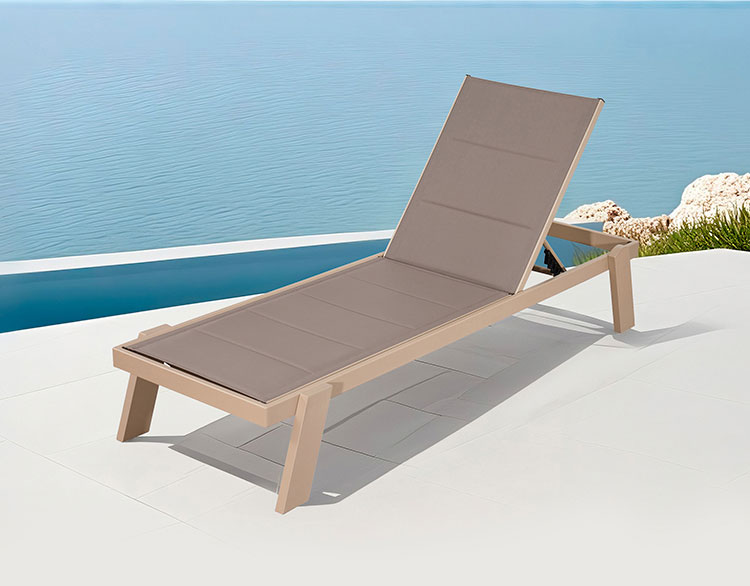
One often-overlooked aspect of protection is what lies beneath the lounger. Leaving it flat on a wet deck or soggy grass accelerates rot and mold. Raise your lounger slightly using small risers or place it on a gravel or tiled surface to improve drainage.
This is especially critical if your backyard sun lounger has wooden legs or sits on metal that might corrode.
Use Spray Protectants and Sealants
To further armor your lounger against the elements, apply:
Fabric protectant sprays to repel water and resist stains.
Wood sealants to block moisture.
Anti-rust coatings for metal frames.
Be sure to reapply these treatments regularly, as they wear off over time, especially after heavy rainfall or intense sun exposure.
Create a Routine
Lastly, develop a habit loop that includes:
Checking weather forecasts.
Covering or storing loungers before expected rain or snow.
Cleaning and inspecting furniture monthly.
Consistency will turn protection from a chore into a ritual—and one that pays off.
Conclusion
Protecting your outdoor sun lounger from the weather isn’t about overcomplicating things—it’s about building smart habits and investing in the right tools. From covers to sealants, storage to setup, each small action contributes to your lounger’s longevity and your ongoing comfort. With a little attention and care, your backyard sun lounger will remain a welcoming retreat, come rain or shine.
READ MORE: