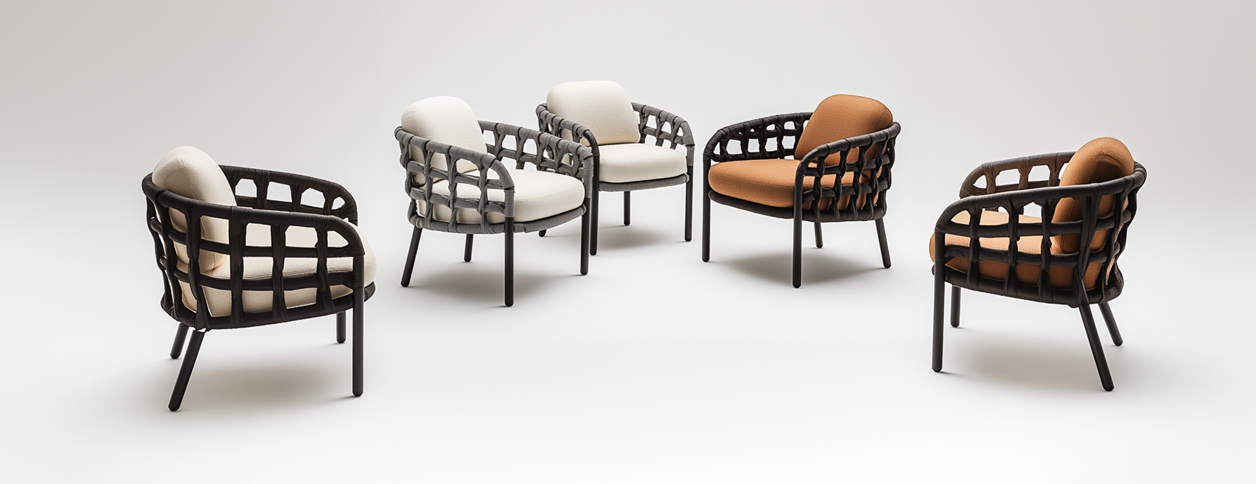
When you invest in a quality outdoor sun lounger, you expect it to offer comfort, relaxation, and style through many seasons. However, exposure to harsh elements can significantly reduce the lifespan and aesthetic appeal of your lounger. Whether it’s constant sun, sudden rain, or seasonal temperature drops, each weather factor brings its own set of challenges. This article will guide you through actionable steps to protect your backyard sun lounger and preserve its look and comfort year-round.
_rHiOc6.jpg)
_7fJHq9.jpg)
Why Weather Protection Matters
Outdoor furniture, especially sun loungers, is constantly exposed to environmental stress. Moisture can seep into materials, UV rays can cause fading and degradation, and wind can physically damage lightweight furniture. Over time, even the best outdoor furniture begins to wear if not properly shielded.
Investing in the right protection not only saves you money on replacements but also ensures you always have a comfortable, inviting space to unwind outdoors.
Selecting a Weather-Resistant Lounger
Before considering protective measures, start with the right product. A waterproof sun lounger made from high-grade materials provides a solid foundation. Look for loungers made of:
Aluminum or powder-coated steel: These metals resist rust.
Synthetic wicker: Designed for outdoor use, it resists fading and moisture.
Treated hardwood: Offers natural resistance to rot and pests.
Quick-dry foam and weatherproof fabrics: Prevents mildew and stains.
A high-quality outdoor sun lounger designed for the outdoors is the first line of defense against the elements.
Use Fitted Waterproof Covers
Don’t leave your lounger uncovered. Even if it’s designed to resist water, additional protection helps extend its life. A waterproof sun lounger cover keeps rain, dirt, UV rays, and even bird droppings at bay.
Choose covers that are:
UV-resistant and breathable.
Tailored to your lounger’s size and shape.
Equipped with fastening straps to keep them secure in windy weather.
Cover your backyard sun lounger every night or when not in use—especially during the rainy season.
Build a Shaded Area
Limiting sun exposure is crucial. Direct sunlight can cause fabric colors to fade and materials to weaken. Options to create a shaded relaxation zone include:
Patio umbrellas: Adjustable and stylish, they provide targeted shade.
Pergolas: A semi-permanent solution for broader coverage.
Retractable awnings: Offers flexibility depending on the time of day.
By placing your outdoor sun lounger under shade, you reduce wear from UV rays while improving comfort on hot days.
_xaXhzt.jpg)
_Lt9FWY.jpg)
Seasonal Storage Best Practices
If you live in an area with harsh winters or frequent storms, store your loungers during the off-season. Even outdoor furniture marked as all-weather benefits from being stored away.
Here’s how to do it right:
Clean thoroughly before storage.
Remove and wash cushion covers.
Dry completely to prevent mold growth.
Store in a dry, ventilated space like a shed or garage.
Stackable loungers or foldable models make storage easier and more space-efficient.
Elevate from Ground Moisture
When your lounger sits directly on wet grass or a damp deck, it’s exposed to unnecessary moisture. Use risers or place it on stone pavers or outdoor mats to avoid constant contact with water. This helps preserve both the frame and cushions, especially if they aren't fully waterproof.
Regular Cleaning Routine
Maintenance is crucial for longevity. Develop a regular cleaning routine that includes:
Brushing off debris and dust weekly.
Wiping down frames and surfaces with mild detergent.
Checking cushions for signs of mildew or damage.
Reapplying protective treatments as needed.
Don’t wait until you see visible damage—proactive care prevents problems before they start.
.jpg)
.jpg)
Protective Sprays and Sealants
Boost your lounger’s defenses by using:
Fabric guard sprays: Add a water-repellent barrier to cushions.
Wood sealers: Prevent cracking and warping in wooden frames.
Anti-rust treatments: Ideal for metal components, especially joints and screws.
Apply these products seasonally for best results. Your outdoor sun lounger will look newer and last longer with this extra layer of defense.
Monitor Weather and Plan Ahead
Keep an eye on the forecast. If heavy rain or storms are predicted, bring in cushions or store the entire lounger temporarily. Having a plan in place helps you avoid scrambling last-minute and risking unnecessary damage.
Add Style with Smart Function
Functional accessories can enhance protection while adding style:
Lounger pads with removable covers: Easy to clean and replace.
Rolling storage bins for cushions: Keeps them dry and out of sight.
Matching covers for nearby outdoor tables or umbrellas: Create a cohesive and protected outdoor setting.
Final Thoughts
Your backyard sun lounger is more than just furniture—it’s a retreat. With simple yet effective weatherproofing strategies, you can ensure it remains inviting, resilient, and stylish year after year. From choosing the right materials to covering and storing correctly, each action adds another layer of protection. Treat your outdoor sun lounger with care, and it will reward you with countless relaxing moments in the sun.
READ MORE: