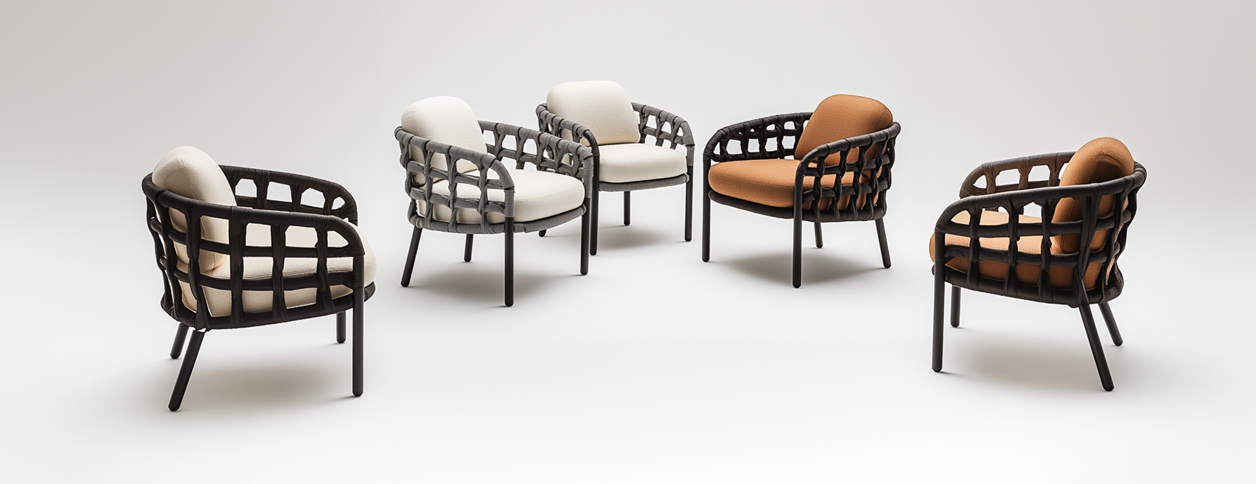
A quality outdoor sun lounger is an investment in comfort and style. Whether placed on a patio, deck, or lawn, it offers the perfect place to unwind. However, exposure to the elements—especially harsh sun, heavy rain, and snow—can quickly wear down even the most durable lounger. With the right protection strategies, you can maintain your backyard sun lounger in pristine condition throughout the seasons.
Here’s a comprehensive guide to keeping your lounger safe from the weather.
.jpg)
.jpg)
Understand the Risks of Outdoor Exposure
All types of weather affect outdoor furniture differently:
Rain: Causes fabric mold, wood rot, and metal rust.
Sunlight: Fades colors and weakens material integrity.
Snow and Ice: Freeze-thaw cycles can crack surfaces and cause warping.
Wind: Can topple loungers or blow away cushions and covers.
By anticipating these risks, you can act proactively to protect your outdoor sun lounger.
Use a Waterproof Cover—Every Time
The first and most effective line of defense is a fitted waterproof sun lounger cover. These covers keep moisture and dirt out and provide a layer of UV protection.
When selecting a cover:
Ensure it is breathable to prevent mildew.
Choose one that fits snugly over your lounger, preferably with fastening ties.
Look for multi-layer protection, including UV-blocking materials.
Covering your backyard sun lounger whenever it's not in use will significantly extend its usable life.
Choose the Right Location
Where you place your lounger plays a big role in its durability. Even weather-resistant materials benefit from partial protection.
Ideal placements include:
Under a canopy or pergola: Reduces direct sun exposure.
On a covered patio: Offers shelter from rain and snow.
Against windbreaks like fences or hedges: Minimizes wind-related movement or damage.
Strategic positioning shields your outdoor sun lounger without compromising style or function.
_qljn6b.jpg)
_oRFxNo.jpg)
Seasonal Storage Is Key
Your lounger may be outdoor-rated, but that doesn’t mean it should sit outside through every blizzard or monsoon. When severe weather is forecast, take the time to store your outdoor furniture safely:
Remove and clean all cushions.
Dry thoroughly to avoid mold during storage.
Place in a dry, ventilated space—like a garage or shed.
For foldable or stackable loungers, storage is quick and easy. Even heavy models benefit from being off the patio during storms or snowfalls.
Keep It Elevated
Avoid direct contact between the lounger and ground surfaces that hold water. Wet patios, muddy lawns, and pooling areas increase the chance of rot or rust.
Use plastic risers or place the lounger on stone tiles or gravel. This small step helps protect the legs and bottom supports of your waterproof sun lounger, especially during rainy seasons.
Clean Regularly
Routine maintenance prevents small problems from becoming large ones. Schedule monthly cleaning that includes:
Brushing off leaves, dust, and debris.
Washing cushions and letting them air dry.
Wiping down frames with a mild detergent.
Checking for rust spots, splits, or mildew.
Even the most weatherproof backyard sun lounger needs regular TLC to stay beautiful.
Apply the Right Treatments
Boost your lounger’s durability with protective coatings:
Fabric sprays: Add water-repelling power and UV resistance.
Wood sealants: Keep wooden frames from absorbing moisture.
Anti-corrosion treatments: Protect metal joints and bolts.
Apply these treatments every season, especially before the start of rainy or snowy periods.
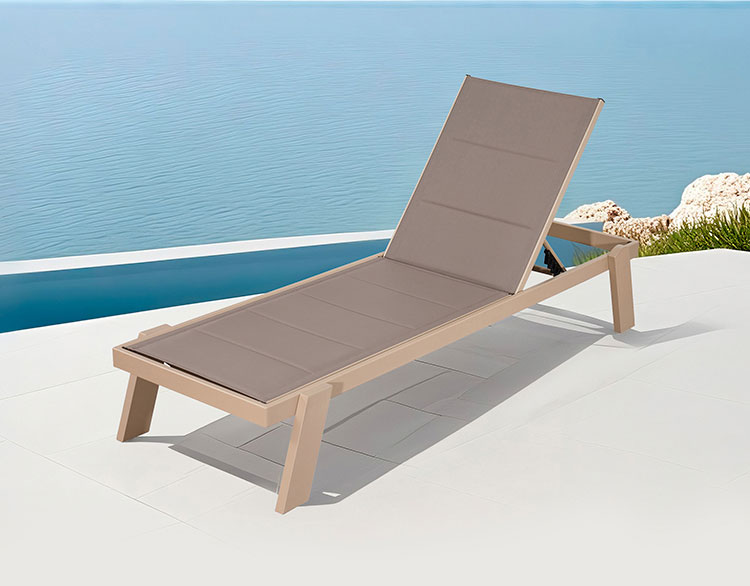
Protect Cushions with Care
Cushions are often the first part of a lounger to show wear. Even on a waterproof sun lounger, cushions can absorb moisture and fade in the sun.
Tips to protect them:
Store cushions separately in a dry container when not in use.
Choose cushions made with quick-dry foam and UV-resistant fabrics.
Flip cushions periodically to prevent uneven fading.
These steps will maintain your lounger’s comfort and appearance.
Build a Shade Solution
Too much sun exposure can drastically reduce the lifespan of your lounger. Creating a dedicated shaded area helps block UV rays and keeps surfaces cooler to the touch.
Consider:
Large patio umbrellas that move with the sun.
Retractable awnings for flexible shade.
Pergolas with weather-resistant drapery or canopies.
This not only protects your outdoor sun lounger but also enhances your backyard’s appeal.
Monitor Weather Conditions
Stay ahead of the elements by checking the weather forecast regularly. If storms or extreme heat are expected:
Remove cushions.
Cover or store the lounger.
Reapply sealants or sprays as needed.
Taking a few minutes to plan ahead can prevent costly damage to your outdoor furniture.
Conclusion
With a few simple habits and some thoughtful planning, you can keep your backyard sun lounger protected from rain, sun, and snow. From covers and coatings to strategic placement and storage, each step helps preserve both the beauty and functionality of your lounger. Whether you're sunbathing on a summer day or enjoying crisp autumn air, your well-maintained outdoor sun lounger will always be ready.
READ MORE: