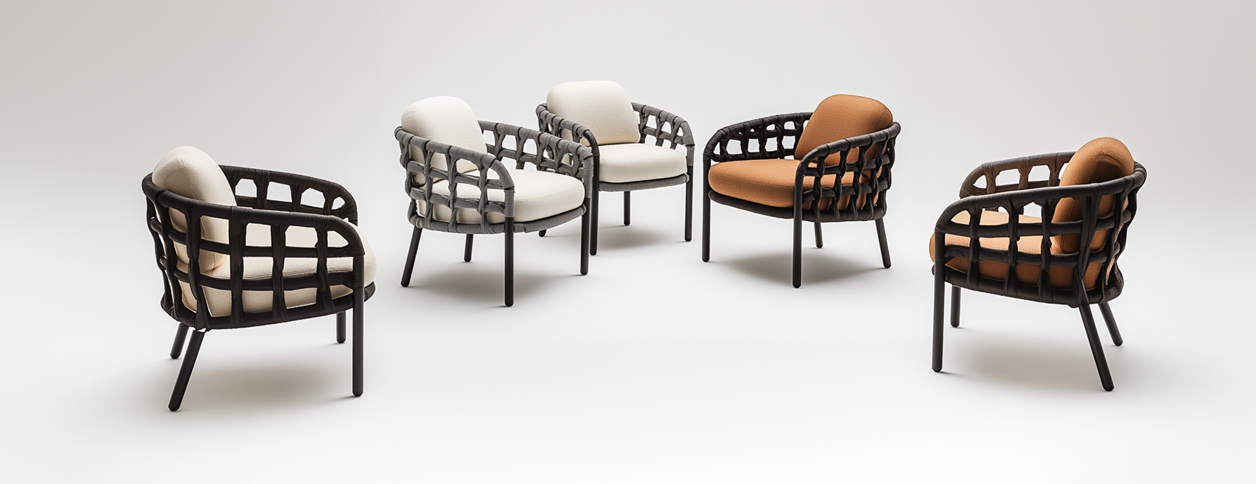
Your outdoor sun lounger is your gateway to relaxation—a place to read, nap, or simply enjoy the breeze. But while it brings comfort and leisure, it also faces constant exposure to nature’s harsher elements. Rain, sunlight, snow, and wind can all degrade your lounger’s materials, compromising both appearance and performance. Fortunately, with the right strategies, you can protect your lounger and make it last for many enjoyable seasons.
Here’s how to shield your backyard sun lounger from weather damage effectively.
.jpg)
.jpg)
Understand the Impact of Weather on Your Lounger
No matter how robust your outdoor furniture is, the elements will wear it down over time. Here’s how each one affects your lounger:
Rain can lead to mildew, rust, and deterioration of joints.
Sunlight causes fading and weakens both fabrics and structural materials.
Snow and ice can warp wood and crack brittle surfaces.
Wind can blow cushions away or topple unstable loungers.
Awareness is the first step in prevention. From here, you can choose the best protection strategies for your climate and furniture.
Prioritize Quality Materials
The best way to defend against weather is to start with a waterproof sun lounger designed to resist it. Look for:
Frames made of powder-coated aluminum or rustproof stainless steel.
Wood such as teak or eucalyptus, which are naturally water-resistant.
Synthetic wicker that resists both moisture and UV rays.
Cushions filled with quick-dry foam and wrapped in fade-resistant, waterproof fabrics.
Even the most weather-ready outdoor sun lounger will benefit from extra care, but durable construction offers a strong foundation.
Use a Waterproof, UV-Resistant Cover
Covers are not optional—they’re essential. A fitted waterproof sun lounger cover protects from:
Rain and snow.
Intense sun that can crack or bleach surfaces.
Dirt, dust, and bird droppings.
Choose a cover that:
Is breathable to prevent trapped moisture.
Has reinforced seams and drawstrings or straps for security.
Extends low enough to protect the base and legs.
Cover your backyard sun lounger when it’s not in use, even during the summer, for optimal results.
.jpg)
.jpg)
Store When Not in Use
Even outdoor-rated loungers shouldn’t be left exposed during prolonged bad weather. When the season ends or a storm approaches:
Clean the lounger thoroughly.
Allow all parts to dry completely.
Store it in a dry, cool area such as a garage or storage shed.
If you’re short on space, foldable or stackable models are ideal. Seasonal storage will significantly increase the life of your outdoor furniture.
Elevate Your Lounger
Letting your lounger rest directly on a wet surface can speed up wear and tear. Moisture seeps into legs and joints, leading to rust or rot.
Use:
Rubber or plastic risers.
Elevated platforms or decking.
Outdoor mats or stone tiles beneath the frame.
This method is especially useful for protecting your waterproof sun lounger during rainy periods.
Clean and Inspect Regularly
Routine cleaning is vital. Make a habit of:
Removing dirt and leaves weekly.
Washing fabric covers monthly.
Wiping down frames with soap and water.
Checking for cracks, rust, or mildew.
Routine care prevents long-term damage and maintains your lounger’s appearance.
_qljn6b.jpg)
_oRFxNo.jpg)
Apply Seasonal Treatments
To reinforce your lounger’s weather defenses:
Use UV-protectant sprays for fabrics and frames.
Seal wood with outdoor-grade sealants.
Apply anti-corrosion sprays on exposed metal.
Do this before each season begins or after extreme weather events.
Manage Cushions Properly
Cushions are especially vulnerable, even on a backyard sun lounger that’s built for outdoor use.
Protect them by:
Storing in waterproof bins or boxes.
Choosing cushions with zip-off covers for easy washing.
Flipping them occasionally to prevent uneven wear.
Always ensure they’re dry before storage to avoid mildew buildup.
Add a Shade Source
Preventing excessive sun exposure is just as important as waterproofing. Create shade with:
Adjustable umbrellas.
Retractable awnings.
Pergolas with UV-blocking fabrics.
This helps preserve the color and strength of your outdoor sun lounger cushions and frame.
Monitor and React Quickly
Be proactive. If you notice:
A tear in your cover—replace or patch it.
Rust forming—sand and treat immediately.
Mold or mildew—clean with diluted vinegar or a commercial cleaner.
Regular monitoring ensures small problems don’t escalate.
Conclusion
A well-maintained outdoor sun lounger will reward you with comfort and style season after season. By investing in quality materials, using a waterproof sun lounger cover, storing wisely, and practicing consistent maintenance, you can keep your lounger in top condition through sun, rain, and snow. Whether you’re lounging by the pool or enjoying a quiet moment in the garden, weatherproofing ensures that your backyard sun lounger remains a relaxing escape all year round.
READ MORE: