Selecting the ideal piece of outdoor furniture for your patio or garden often comes down to two popular options: the sun lounger and the recliner. While both offer ways to relax outdoors, their differences in structure, comfort, weather resistance, and versatility are more significant than many realize.
Let’s explore the essential distinctions between an outdoor sun lounger and a recliner to help you make the right choice for your space and lifestyle.
.jpg)
.jpg)
Core Function and Usage
The sun lounger is synonymous with relaxation under the sun. Its design prioritizes lying down or reclining for sunbathing, reading, or dozing off beside the pool. Most models lie flat or at various inclined angles.
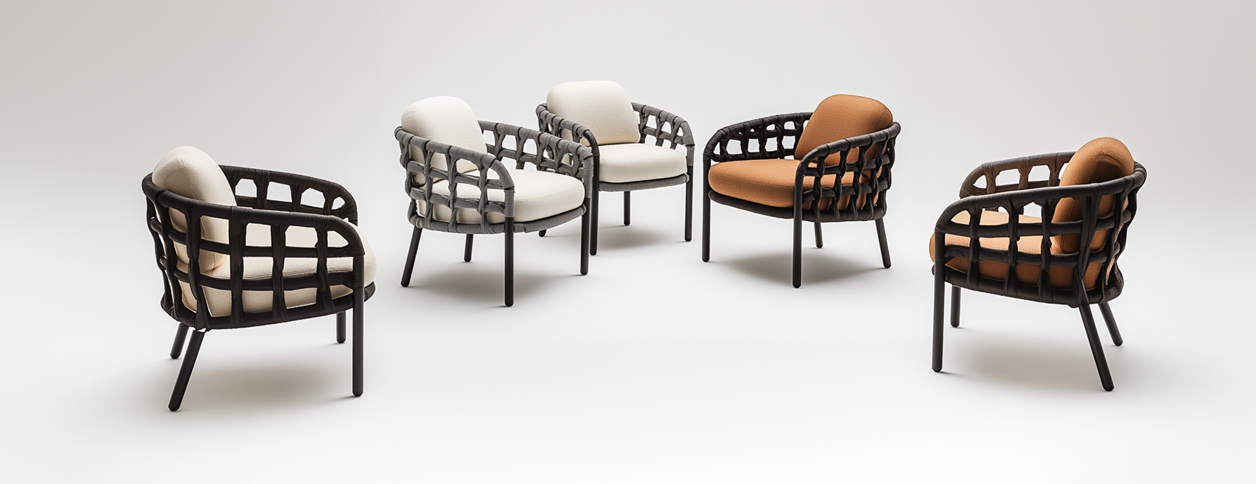
A recliner, meanwhile, resembles a plush chair that allows you to lean back, sometimes with a pop-up footrest. While newer recliner models are being designed for the outdoors, their core structure is closer to indoor seating—offering more support for seated lounging than full-body sun exposure.
If your goal is to stretch out, relax, and soak up the rays, a backyard sun lounger offers more of what you're looking for.
Shape and Configuration
Shape and configuration are immediately noticeable differences between these two pieces.
A sun lounger is long and open, offering room for full-body reclining. It typically lacks armrests and often sits closer to the ground. Many designs come in minimalist, spa-inspired forms.
A recliner is upright, padded, and envelops the sitter more like a chair. Many recliners feature back support, wide armrests, and deep seats. Some even include rocking or gliding functions.
In terms of outdoor aesthetics, loungers give a sleek, resort-style vibe, while recliners present a cozy, lounge-ready environment.
Material and Weather Resistance
If your furniture will be fully exposed to the elements, a waterproof sun lounger typically holds the advantage.
Top materials include:
Textilene mesh: Ideal for poolside use due to its quick-dry properties.
Aluminum frames: Rust-resistant and lightweight.
Synthetic rattan: Durable and weatherproof with a natural look.
Many outdoor sun loungers are designed to withstand sun, wind, and rain, with removable cushions and UV-resistant finishes.
Recliners are improving in this area, but most require shelter or at least a cover. Their fabric, foam, and recline mechanisms are more sensitive to prolonged exposure, making them better suited for covered patios or shaded decks.
For all-weather reliability, the waterproof sun lounger takes the win.
_xaXhzt.jpg)
_Lt9FWY.jpg)
Portability and Storage
A significant advantage of the outdoor sun lounger is how easy it is to move and store:
Many models fold flat.
Some include wheels for repositioning.
Lightweight frames make them easy to relocate as needed.
By contrast, recliners are bulkier, heavier, and rarely portable. If space-saving or flexibility is important to you, a backyard sun lounger is the more practical option.
Comfort and Customization
Both offer excellent comfort—but in different ways.
Sun loungers focus on full-body stretch and simple adjustability, allowing for sunbathing or reading.
Recliners emphasize supportive cushioning and relaxing in a seated or semi-reclined position.
If you're lounging for extended periods, you may prefer the padded comfort of a recliner. However, today’s high-quality outdoor sun loungers with breathable mesh or padded waterproof cushions can be just as luxurious—without the added maintenance.
Maintenance and Durability
A waterproof sun lounger is typically lower maintenance. Wipe it down, hose it off, and you're good to go. Cushion covers can often be removed and machine-washed.
Recliners, due to their padding and mechanical parts, require more care:
Regular cleaning of upholstery.
Lubrication of reclining mechanisms.
Protective covers during inclement weather.
Long-term, a backyard sun lounger can offer more durability with fewer upkeep demands.
_qljn6b.jpg)
_oRFxNo.jpg)
Budget Considerations
In general, outdoor sun loungers are more budget-friendly. They come in a wide range of prices, from affordable folding models to high-end luxury designs.
Recliners tend to be more expensive due to their complex structure, padding, and additional features like built-in cup holders or power recline systems.
If you're seeking comfort on a budget, a sun lounger is often the smarter investment.
Conclusion
Choosing between an outdoor sun lounger and a recliner comes down to your outdoor habits, climate, and personal comfort preferences. For all-day sunbathing, portability, and weather resilience, the waterproof sun lounger excels. If you're creating an outdoor living room under a covered pergola, a recliner adds plush, seated comfort.
Both have their place in a well-designed outdoor furniture setup—so choose what complements your space, and enjoy your open-air retreat to the fullest.
READ MORE:
Should You Choose a Sun Lounger or a Recliner for Outdoor Relaxation? Here's What You Need to Know
Outdoor Sun Lounger vs. Recliner: A Detailed Guide to Choosing the Right Relaxation Companion
Sun Lounger vs. Recliner: Which One Should You Choose for Your Backyard?
Sun Lounger vs. Recliner: Understanding the Key Differences for Outdoor Use