Whether you’re redesigning your patio or building a cozy backyard oasis, selecting the right outdoor furniture is essential. Two popular choices for outdoor relaxation are the sun lounger and the recliner. Although they both offer comfort and a place to unwind, their purposes, construction, and aesthetics differ greatly.
In this comprehensive guide, we’ll break down the distinctions between an outdoor sun lounger and a recliner to help you decide which is best for your lifestyle.
.jpg)
.jpg)
Primary Function and Design Intent
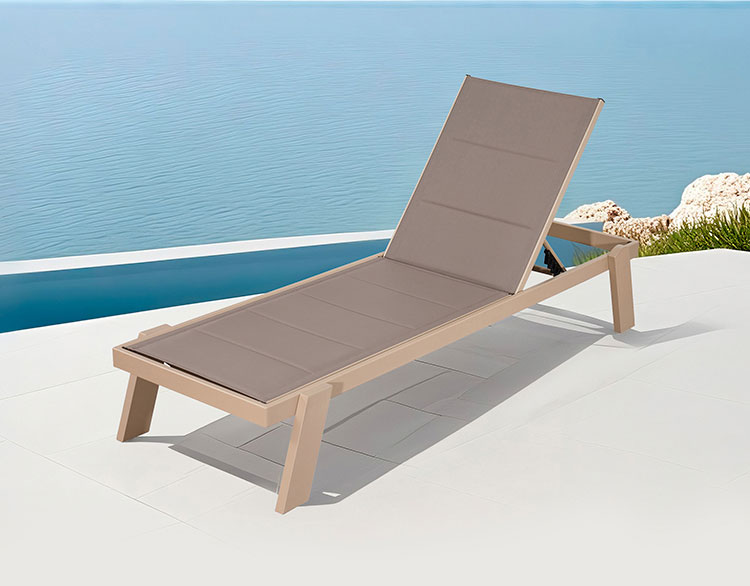
The sun lounger is designed with leisure and sun exposure in mind. It’s long, usually armless, and allows the user to recline fully or adjust the backrest for semi-upright positions. You’ll find them poolside, on balconies, or in open garden spaces.
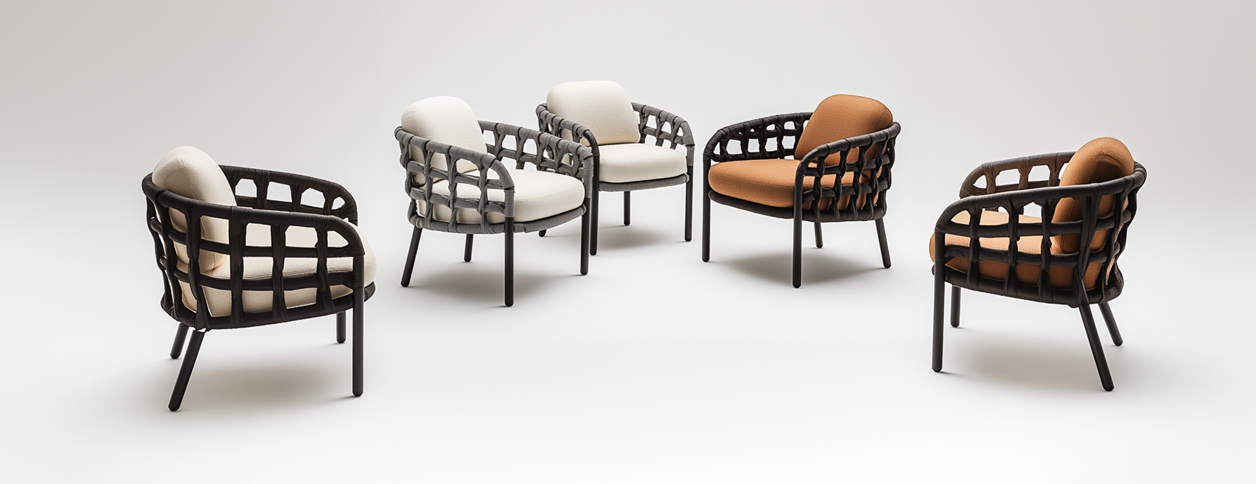
Recliners, in contrast, offer more upright support and are styled like indoor chairs—often padded, with arms, and equipped with mechanisms to tilt the backrest and raise the legs. They’re better suited for covered patios or enclosed outdoor living rooms.
If your main goal is tanning, reading under the sun, or relaxing in a laid-back position, a backyard sun lounger is the better match.
Comfort and Support
Comfort is subjective, but design plays a major role:
Sun loungers are great for full-body rest. Most models support lying on your back or stomach. High-end options include cushioning or breathable mesh for added ease.
Recliners offer a more cocooned experience, with padded seats, armrests, and built-in lumbar support. They’re ideal for reading, watching outdoor screens, or casual socializing.
While both provide comfort, the outdoor sun lounger supports a broader range of positions, including lying flat, which many find more conducive to deep relaxation.
Weather Resistance and Materials
When it comes to surviving the elements, a waterproof sun lounger typically outperforms a recliner. Key weather-resistant features include:
Frames made of rust-proof aluminum or treated teak.
Fabrics like textilene or Sunbrella, which resist fading and moisture.
Quick-dry foam for cushions.
Most backyard sun loungers are designed to live outdoors full-time, needing only occasional rinsing or wiping down.
Recliners may use similar materials but often require more maintenance and protective covers. Padding and mechanisms in recliners are more susceptible to mold and corrosion if left uncovered.
For exposed outdoor settings, especially near pools, the waterproof sun lounger is a smarter choice.
Mobility and Layout Flexibility
In dynamic outdoor spaces, mobility matters.
Outdoor sun loungers are usually lighter and more portable. Many models fold flat or have wheels for easy transport.
Recliners, due to their padding and construction, are heavy and meant to remain in place.
This makes loungers better suited for repositioning with the sun, rearranging for guests, or storing during storms.
Style and Visual Impact
The aesthetics of your outdoor furniture set the tone for your space:
Sun loungers bring a spa-like, minimalist vibe—especially when arranged poolside with umbrellas or low tables.
Recliners add a cozy, indoor-like atmosphere, suitable for transitional or covered outdoor rooms.
Choose a backyard sun lounger if your goal is a sleek, resort-style setup. Opt for a recliner if you’re aiming for comfort that mirrors indoor luxury.
Space Considerations
If you’re working with limited space, loungers are more efficient:
Stackable or foldable.
Slim profile, perfect for narrow decks or balconies.
Recliners occupy more space and need ample clearance behind them to recline fully, limiting their placement options.
_M6oaWJ.jpg)
_HXI8DI.jpg)
Price and Value
Generally, outdoor sun loungers are more cost-effective. Their simple design keeps prices lower, even among premium brands.
Recliners are priced higher due to complex mechanisms and thicker padding. While they offer unmatched seated comfort, they may not always justify the cost for occasional outdoor use.
Conclusion
Choosing between a sun lounger and a recliner isn’t just about looks—it’s about how you want to experience your outdoor space. If you crave flexibility, weather resistance, and full-body relaxation, the outdoor sun lounger—especially a waterproof sun lounger—is an unbeatable choice. For those who prioritize cushiony support and plan to use their furniture in a protected setting, recliners offer unmatched comfort.
Whichever you choose, ensure it fits your layout, lifestyle, and maintenance preferences. With the right decision, your backyard will become your favorite destination.
READ MORE:
Should You Choose a Sun Lounger or a Recliner for Outdoor Relaxation? Here's What You Need to Know
Outdoor Sun Lounger or Recliner? A Complete Comparison for Smart Buyers
Sun Lounger vs. Recliner: Which One Should You Choose for Your Backyard?
Sun Lounger vs. Recliner: Understanding the Key Differences for Outdoor Use