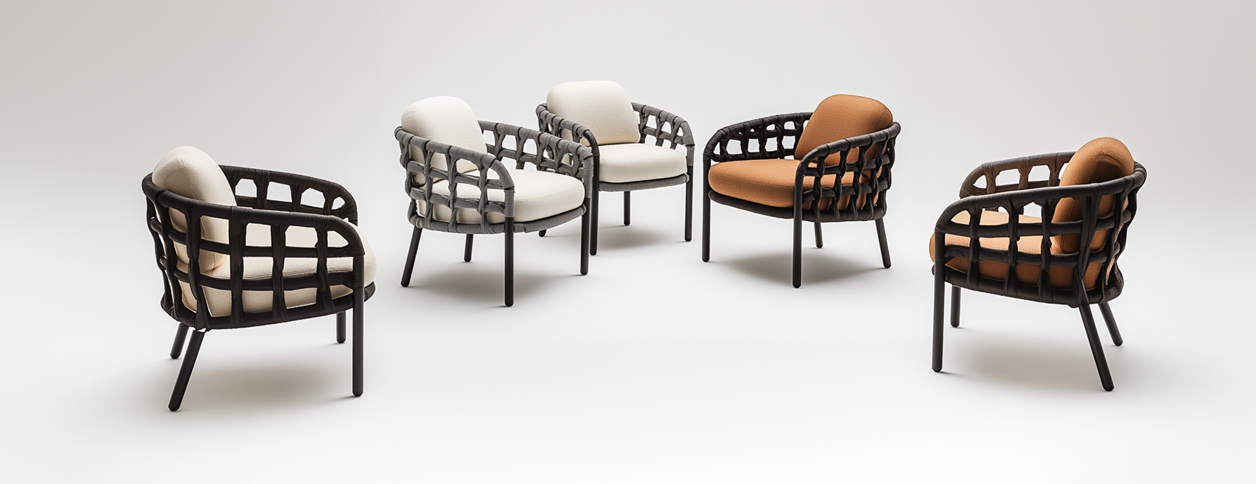
When upgrading your patio or decking area, choosing between a sun lounger and a recliner can be tricky. Both are excellent additions to your outdoor furniture collection, offering comfort and style—but they serve different purposes and come with distinct advantages.
This article will help you compare and contrast these two seating options so you can pick the perfect piece for your outdoor living space.
.jpg)
.jpg)
Purpose and Comfort Goals
The outdoor sun lounger is designed for ultimate relaxation, especially under the sun. It’s perfect for laying flat, catching rays, or drying off after a dip in the pool. Sun loungers typically feature adjustable backrests and can recline fully, making them ideal for full-body stretching.
A recliner, while also comfortable, is better suited to seated lounging. With a cushioned seat, upright back, and often an extending footrest, recliners provide a cozy, supported way to relax without lying flat.
If you’re looking for a piece of backyard sun lounger furniture that lets you fully recline and stretch, the lounger is your best bet. For more upright comfort, a recliner is a solid choice.
Material and Weather Readiness
Outdoor sun loungers are purpose-built for all-weather durability. Most high-quality models are designed to be waterproof sun loungers, constructed from materials like:
Powder-coated aluminum
Synthetic mesh or textilene fabric
Teak or acacia hardwood
Quick-dry, mold-resistant cushions
They can easily withstand rain, UV rays, and moisture near the pool.
Recliners are catching up with weatherproof innovations, but they still tend to be more sensitive. Their mechanical parts and thicker cushions are more prone to wear from exposure and typically require protective covers.
If your furniture will be uncovered and exposed to the elements, a waterproof sun lounger offers more peace of mind with less maintenance.
Adjustability and Versatility
When it comes to adjusting for comfort, both offer some level of customization—but in different ways.
Sun loungers usually have a simple backrest that can be adjusted manually to various angles, including fully flat.
Recliners feature mechanisms—manual levers or powered motors—that allow the back to recline and the footrest to rise.
For tanning, resting, or napping, loungers are far more versatile. They allow you to lie on your stomach or back, which recliners can’t accommodate.
.jpg)
.jpg)
Mobility and Storage
If flexibility is important, the outdoor sun lounger again takes the lead:
Many models are lightweight and foldable.
Some come with wheels, making them easy to reposition throughout the day.
They can be stacked or stored vertically in sheds or garages.
Recliners, by contrast, are heavy, difficult to move, and take up more space. Once you place them, you’ll likely leave them there.
Visual Appeal and Layout Compatibility
Your furniture’s appearance plays a big role in how your outdoor space feels.
Sun loungers tend to offer a sleek, modern aesthetic—great for poolside areas, minimalist patios, or spa-style decks.
Recliners evoke indoor comfort and often suit traditional or transitional outdoor spaces.
If you’re looking to create a retreat that feels like a resort, the backyard sun lounger helps you achieve that effortlessly.
Price and Investment
Loungers generally offer better value. A quality outdoor sun lounger can cost significantly less than a comparable recliner, especially when considering the added durability and flexibility.
Recliners, especially powered models or those with premium padding, are more expensive and often require additional investment in maintenance and protective covers.
For budget-conscious buyers who still want premium comfort, the waterproof sun lounger offers an unbeatable blend of performance and price.
_2yj58N.jpg)
_JoO7km.jpg)
Conclusion
Your choice between a sun lounger and a recliner comes down to personal preference, outdoor space, and usage habits. If you enjoy lying flat in the sun, want a low-maintenance option, and value flexibility in storage and placement, the outdoor sun lounger—especially a waterproof sun lounger—is the way to go. If you’re furnishing a covered area and prefer seated support with extra cushioning, a recliner might suit you better.
Whichever option you choose, integrating either into your outdoor furniture collection will undoubtedly elevate your outdoor comfort.
READ MORE:
Outdoor Sun Lounger vs. Recliner: A Detailed Guide to Choosing the Right Relaxation Companion
Outdoor Sun Lounger or Recliner? A Complete Comparison for Smart Buyers
Sun Lounger vs. Recliner: Which One Should You Choose for Your Backyard?
Sun Lounger vs. Recliner: Understanding the Key Differences for Outdoor Use