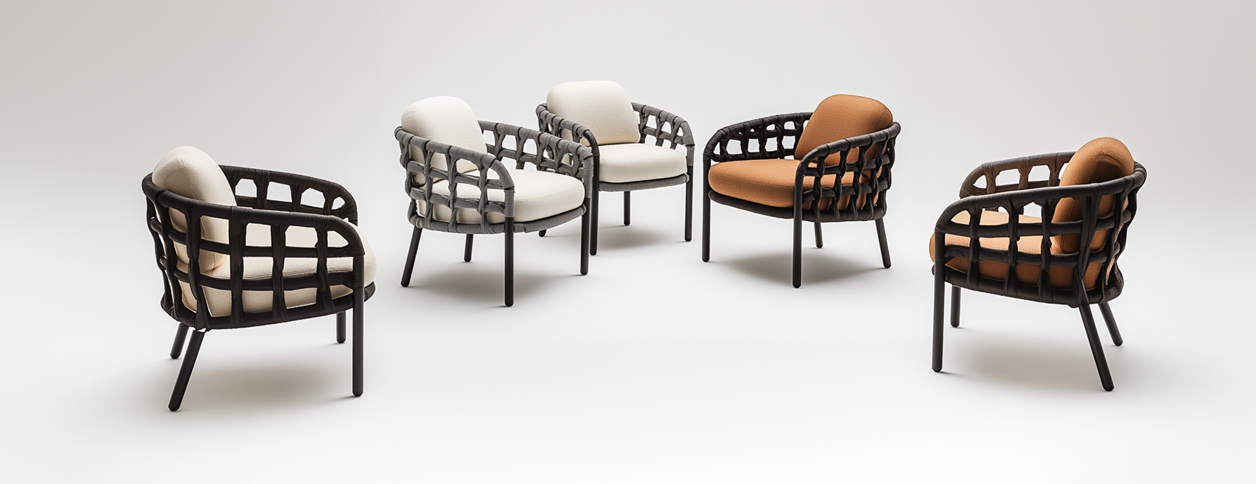
A well-chosen outdoor sun lounger can be the highlight of your patio, garden, or poolside. While the style and materials are important, understanding the standard dimensions is equally crucial. A lounger that’s too large may overcrowd your space, while one that’s too small may not offer the comfort you expect. This guide helps you understand the typical size of sun loungers and how to select one that suits your environment and needs.
.jpg)
.jpg)
Typical Measurements of Outdoor Sun Loungers
Most outdoor sun loungers fall within a fairly consistent size range:
These measurements allow adults to recline fully and comfortably. Longer loungers suit taller individuals, while wider ones offer more comfort for relaxing with extra pillows or side accessories.
How Design Affects Size
Lounger design directly influences its size. Here are some common variations:
Compact or Folding Loungers: Smaller in size, typically 72 inches long and 24 inches wide. These are best for balconies and narrow patios.
Double Loungers: Designed for two users, often around 78 inches long but up to 40 inches wide. Great for couples or those who enjoy spacious lounging.
Curved Frame Loungers: These ergonomic models support natural posture. Though they may appear shorter, they’re often more supportive in function.
When planning your backyard sun lounger setup, choose a design that reflects both your lifestyle and available space.
Seat Height and Accessibility
Seat height impacts both comfort and accessibility. The average outdoor sun lounger has a seat height of about 13 to 15 inches, making it easy to sit or stand without strain. Loungers with adjustable backs or leg support might have slightly higher profiles when upright.
This height range is ideal for aligning with other outdoor furniture such as side tables and ottomans.
.jpg)
.jpg)
Cushioning and Added Bulk
A typical waterproof sun lounger includes cushions made of quick-dry foam and weather-resistant fabrics. These cushions:
Add 2 to 4 inches to total seat height
May slightly reduce the usable width due to padded edges
Increase the weight and storage requirements of the lounger
However, these additions greatly improve comfort and ensure that your lounger remains usable even after rain or pool splashes.
Planning Layout and Spacing
Sun loungers take up more space than regular chairs, so it’s essential to plan your layout carefully:
Leave 12 to 18 inches between each lounger for movement and side tables
Maintain a 36-inch clearance from pool edges or walkways
Consider umbrella stands, planters, or furniture covers in your measurements
These spacing guidelines will help keep your lounging area functional and uncluttered.
Functional Differences in Lounger Types
Not all loungers are created with the same user intent. For example:
Stationary loungers are heavier and larger but stable and luxurious
Portable loungers are lighter, easier to move and store, and often foldable
Waterproof sun loungers focus on weather resistance and low maintenance, which slightly impacts dimensions through added materials
Match your lounger to your outdoor habits and maintenance preferences.
.jpg)
.jpg)
Comparing with Other Outdoor Furniture
To visualize the space required, compare loungers to other outdoor seating:
A typical dining chair is about 18 inches wide
An Adirondack chair may be 28 inches wide
A standard loveseat is around 48–52 inches wide
A backyard sun lounger occupies more horizontal space, but its reclining ability offers greater comfort and usability in relaxation zones.
Choosing the Ideal Size
When selecting the right size, consider the following:
Your height: If you’re over 6 feet tall, choose a lounger at least 78 inches long
Available space: Measure your patio or deck and factor in cushions and side tables
Storage needs: If space is limited, consider foldable or stackable designs
Balance comfort with practicality for the most effective outdoor layout.
READ MORE: