Finding the perfect outdoor sun lounger goes beyond picking a color or material—it starts with size. Whether you’re creating a cozy corner in your garden or planning a poolside retreat, selecting the right dimensions ensures comfort, functionality, and harmony with your other outdoor furniture. In this article, we’ll walk through the average lounger size, explore variations, and guide you in making the best choice for your space.
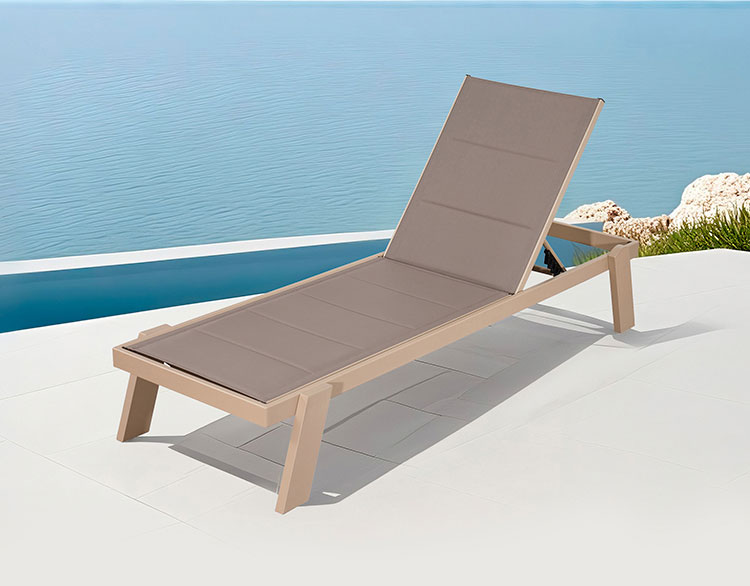
Average Lounger Size Specifications
Most outdoor sun loungers are built to accommodate a single adult comfortably. The standard dimensions typically fall within:
These measurements allow full-body reclining, making the lounger suitable for sunbathing, reading, or relaxing after a swim. The added benefit of adjustable recline functions further enhances versatility.
Design Variations and Their Impact on Size
Lounger design styles influence size more than many realize. Below are common types and their general sizing:
Compact Loungers: Around 72 inches long and 24 inches wide, these save space and are easier to move.
Double Loungers: Wider by design, usually 36 to 40 inches across, built for two users.
Ergonomic Loungers: Feature contoured shapes that reduce overall length but improve body support.
For a versatile backyard sun lounger, many people prefer slightly wider designs that allow freedom of movement without overwhelming a deck or patio.
Seat Height and Ease of Use
Seat height plays an important role, particularly for accessibility. A backyard sun lounger with a seat height between 13 and 15 inches offers a good balance—it’s low enough for relaxed lounging, yet high enough to sit and rise comfortably.
Some models come with leg rests or deep cushions, which can subtly alter the usable height. Keep this in mind if you plan to match loungers with low-profile side tables or outdoor ottomans.
.jpg)
.jpg)
Cushion Considerations and Material Factors
When equipped with cushions, especially on a waterproof sun lounger, seat height typically increases by 2 to 4 inches. These cushions are usually crafted from weather-resistant foam and fabrics that withstand rain and sun exposure.
The added comfort is worth the slight size increase, but remember:
Thick cushions may reduce internal seat width
Waterproof materials might be bulkier or denser
Loungers with built-in padding are less portable and harder to stack
Still, many homeowners find that the comfort and durability of waterproof loungers justify the extra space they take up.
Planning the Space Around a Lounger
Understanding lounger size also helps in space planning. For a balanced and functional layout:
Leave at least 12 inches of space between loungers
Ensure 18 to 24 inches for walkways around each lounger
Maintain 36 inches of clearance near water features, like pools or fountains
This space allows users to move comfortably and gives each lounger its own area for personal relaxation.
Lounger Size in Comparison to Other Outdoor Furniture
To put things in perspective, here’s how a typical outdoor sun lounger compares to other common furniture pieces:
Outdoor Chair: ~18–20 inches wide, upright seating only
Chaise Sofa: ~60–72 inches long, but not fully reclining
Garden Bench: ~48 inches wide, not adjustable
The lounger stands out for its horizontal spread and adjustability, offering superior relaxation at the expense of a slightly larger footprint.
.jpg)
.jpg)
How to Choose the Right Size for Your Needs
Choosing the correct lounger size depends on three key factors:
User Size: Taller individuals (over 6 feet) should look for loungers at least 78 inches in length.
Space Limitations: If working with a small balcony or narrow terrace, a 72-inch compact lounger may be ideal.
Usage Frequency: For regular use, a more robust or larger lounger with better materials and dimensions may be worth the extra room.
Also, if you plan to move or store the lounger seasonally, consider models with folding frames or wheels for easier handling.
READ MORE: