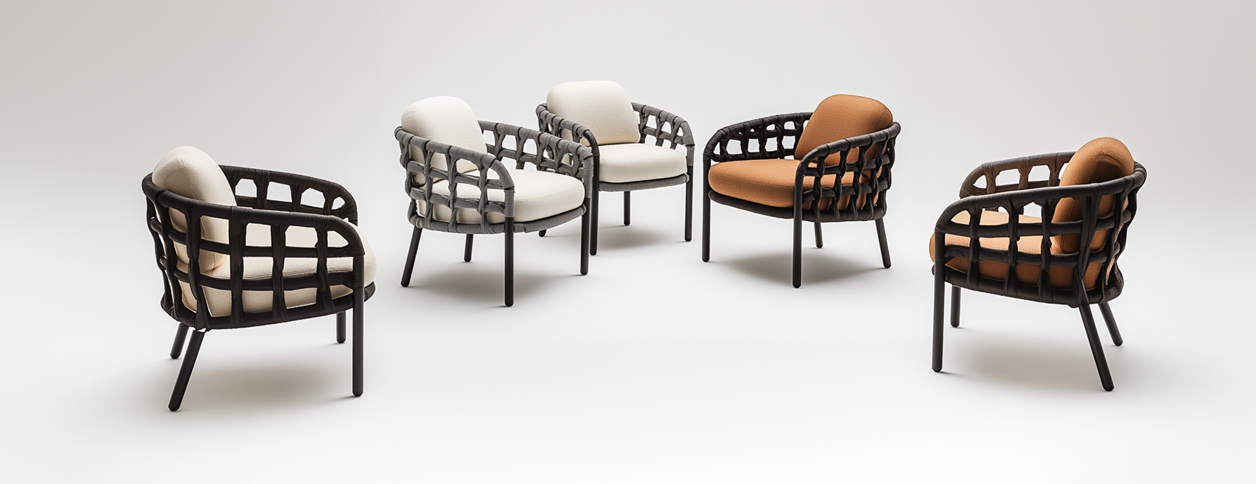
Having a small patio doesn’t mean you have to compromise on comfort. Whether it’s a narrow urban balcony or a compact backyard nook, the right outdoor sun lounger can transform your limited outdoor area into a personal retreat. The key is choosing a lounger that delivers both style and practicality without overwhelming the space.
_9jtlOv.jpg)
_PjyRe6.jpg)
Why Size Matters for Small Patios
In small patios, every inch matters. Traditional sun loungers, which can be wide and long, are often too bulky for these settings. A lounger that is too large can limit movement, dominate the area, and make the patio feel cramped. Choosing the correct dimensions ensures both comfort and usability.
Look for loungers with:
Width between 22–26 inches
Length under 75 inches
Lightweight frame for mobility
Simple, clean design that blends into the environment
These specs allow for more flexibility in layout and use of the patio space for other functions like dining or gardening.
Essential Features to Look For
When shopping for the ideal outdoor sun lounger, the following features are crucial for small spaces:
Foldability: Easily stored when not in use, freeing up valuable floor space.
Stackability: If you need more than one lounger, stackable models reduce the storage footprint.
Adjustable Recline: A multi-position backrest turns the lounger into a reading chair, sunbed, or nap spot.
Compact Cushioning: Cushions should be supportive but not too bulky, ensuring comfort without visual clutter.
These features combine to maximize utility in small areas without sacrificing the comfort of a full-sized lounger.
Choosing the Right Materials
Your backyard sun lounger must not only fit but also withstand the elements. A good balance of weather resistance, strength, and lightweight construction is key.
Aluminum: The gold standard for compact loungers. It’s lightweight, durable, and rust-resistant.
Powder-Coated Steel: Heavier than aluminum but stronger. Ideal for windier areas where stability is needed.
Teak or Acacia Wood: Naturally weather-resistant but heavier. Choose only if the design allows for easy movement.
Sling Fabric: Mesh-like fabric is breathable, flexible, and ideal for a waterproof sun lounger.
Material selection directly influences how easy it is to handle, store, and clean the lounger.
.jpg)
.jpg)
Best Lounger Styles for Small Patios
Some designs work better in small environments due to their functionality and dimensions:
Sling-Back Folding Lounger
A popular option that combines slim lines with portability. The sling material is soft, waterproof, and quickly dries after exposure to rain. It typically weighs under 20 lbs, making it ideal for repositioning based on sunlight or usage needs.
Armless Aluminum Lounger
Without arms, these loungers offer a minimalist profile and more usable space. Many models come with low-set profiles that look sleek and don’t obstruct visual space.
Convertible Chair-Lounger
This versatile option switches between upright seating and full recline. Perfect for those who also want a compact chair for reading or socializing.
_M6oaWJ.jpg)
_HXI8DI.jpg)
Wheeled Low Lounger
This waterproof sun lounger type offers wheels for mobility and sits low to the ground, creating a relaxing position without crowding the patio.
Comfort in Limited Space
Compact shouldn’t mean uncomfortable. Look for these ergonomic elements:
Slight curve in the backrest to support natural spine shape
Removable pillows or headrests
Firm yet flexible material (like high-tension mesh)
Adjustable footrest angles
While you may need to sacrifice thick padding, modern materials provide excellent support with less bulk.
Complementing Your Outdoor Furniture
The outdoor furniture pieces surrounding your lounger should also be compact. Think about foldable side tables, wall-mounted shelves, or hanging planters. These add functionality without cluttering the space.
Here’s how to integrate the lounger seamlessly:
Place it against a wall or railing to maintain walkways
Use vertical storage like hooks to hang cushions or covers
Match lounger colors with the surrounding decor for a cohesive feel
Weatherproofing for Small Spaces
Smaller patios often lack covered areas, leaving furniture exposed to rain, sun, and wind. A waterproof sun lounger is crucial here. Look for:
Mold-resistant fabric
Powder-coated or anodized frames
Cushions made with quick-dry foam
UV-treated textiles to resist fading
Protecting your lounger ensures it lasts longer, looks better, and remains safe to use.
Maintenance Tips
Even the best backyard sun lounger requires regular care, especially in exposed environments:
Rinse with clean water once a week to remove dust and debris
Wipe down metal parts to prevent corrosion
Store cushions in a dry container or bag when not in use
Use protective covers during winter or heavy rain periods
These simple steps extend the life and appearance of your outdoor seating.
Safety and Functionality
Safety in small spaces matters, especially on high-rise balconies or narrow patios. Select a lounger that includes:
Non-slip rubber foot pads
Secure folding and locking mechanisms
Certified weight capacity (ideally above 250 lbs)
These features help prevent tipping, slipping, or folding mishaps, especially on smooth surfaces.
Practical Accessory Pairings
Enhance your compact lounging setup with minimal but functional accessories:
Clip-on side tables: Provide space for drinks without taking up floor area
Collapsible shade canopies: Offer protection without fixed installations
Waterproof storage cubes: Serve as seating and storage in one
Each accessory should serve multiple functions, adding value while preserving space.
Final Verdict
For small patios, the best outdoor sun lounger is one that meets your lifestyle needs, fits the available space, and holds up to weather conditions. Look for a design that’s portable, weatherproof, and unobtrusive—without skimping on comfort.
Whether you’re lounging alone or creating a small social nook, a well-chosen lounger can elevate even the tiniest outdoor area. With compact folding designs, durable weatherproof materials, and sleek aesthetics, there’s no reason your limited space can’t feel like a five-star retreat.
READ MORE: