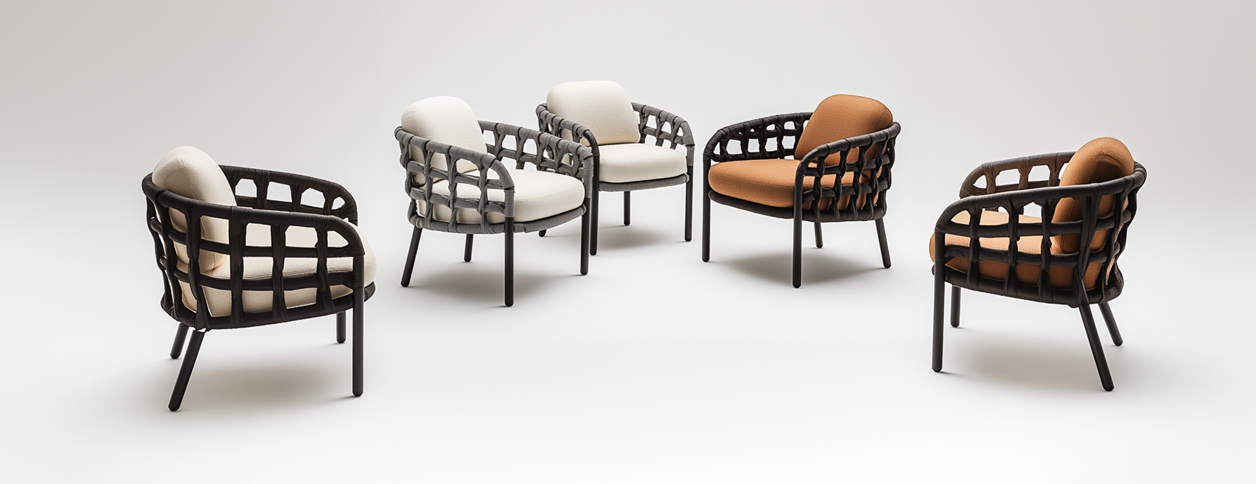
Living in a compact space doesn’t mean you have to give up on comfort or style—especially when it comes to enjoying your outdoor area. For many city dwellers or homeowners with small patios, balconies, or decks, finding the best outdoor sun lounger that fits is key to transforming a tiny spot into a tranquil escape. This guide helps you discover how to select the right lounger that fits your limited space while still providing the luxury of relaxation.
_9cmUp1.jpg)
_qR0MNJ.jpg)
Defining “Small Patio” Living
Small patios typically range from 40 to 100 square feet. That’s not a lot of room when you consider a full-sized outdoor sun lounger can occupy as much as 20% of that space. Therefore, every inch of furniture must be carefully chosen to avoid crowding or reducing mobility.
You don’t want your lounger to feel like it was crammed in. You want it to feel like it belongs—even enhances—the space.
Smart Design Makes All the Difference
Here are features that make a lounger a great match for tight quarters:
Foldable Design: Ideal for flexible use, these loungers collapse for easy storage when not needed.
Armless Profile: Less bulk on each side translates into more visual space.
Stackable Options: If you want more than one lounger, stackable frames free up valuable space.
Built-in Handles or Wheels: Help you reposition the lounger based on sunlight or social gatherings.
These features provide the ability to adapt your lounging experience depending on how much space you have at any given time.
Lightweight but Durable Materials
Your backyard sun lounger doesn’t need to be heavy to be reliable. Opting for strong but lightweight materials allows for easy repositioning and storage:
Aluminum Frames: These are rust-resistant, durable, and perfect for frequent movement.
Synthetic Mesh or Textilene: These breathable, quick-drying fabrics keep the seat comfortable without the need for thick cushions.
Reinforced Plastic or Resin: A good choice for affordability, but always check for UV protection and structural strength.
Durability is especially important in small patios where furniture might be closer to walls, exposed to rain, or moved more often.
_xaXhzt.jpg)
_Lt9FWY.jpg)
Comfort Features for Tight Loungers
Just because your lounger is small doesn’t mean it should feel restrictive. Look for the following elements that boost comfort in a compact frame:
Adjustable Backrest: Allows you to lounge or sit upright depending on your needs.
Ergonomic Design: A contoured frame that follows your body reduces the need for large cushions.
Removable Head Pillow: Adds comfort without bulk.
Some waterproof sun lounger models offer compact memory foam inserts with weather-resistant covers—a win-win for comfort and protection.
Visual Openness = Functional Space
The aesthetic of your lounger should complement your patio rather than dominate it. Choose visual lightness:
Opt for neutral or muted colors that blend with surroundings.
Slim silhouettes prevent visual heaviness.
Avoid large, boxy frames.
When your furniture feels open and integrated, your patio will appear larger—even if the square footage hasn’t changed.
Weather Considerations
Small patios are often more exposed to weather, making a waterproof sun lounger a must-have. Choose loungers that are built to withstand rain, sun, and moisture:
UV-coated Textiles: Prevent fading and breakdown in full sun.
Quick-dry Cushions: Help prevent mildew.
Sealed Metal Frames: Extend life by resisting corrosion.
Protection ensures your investment lasts more than one season, especially when storage options are limited.
_M6oaWJ.jpg)
_HXI8DI.jpg)
Styling Tips for Small Spaces
Even in a limited area, your outdoor furniture can express personal style. Here’s how:
Monochrome Themes: White, black, or beige tones make a space feel clean and cohesive.
Functional Accessories: Use a small, foldable table or a rolling tray cart to hold drinks, books, or snacks.
Layered Textures: Mix fabrics and finishes—like woven throws or metallic details—for visual interest without adding bulk.
A stylish lounger should look intentional, not like an afterthought.
Lounger Styles That Shine in Small Patios
Some styles work better than others when space is limited. Consider:
Folding Sling Loungers: Lightweight, foldable, and typically 24 inches wide—ideal for balconies.
Zero Gravity Chairs: Adjustable and ergonomic, many models fold flat and offer pressure-relieving comfort.
Wood-Framed Low Loungers: While heavier, they provide a resort-like feel in a smaller footprint.
These styles pair well with compact cushions or accessories and remain versatile across seasons.
The Importance of Mobility
Being able to reposition your lounger based on sunlight or activity is a huge benefit. Choose models with:
Side handles for grip
Wheels built into the rear frame
Folding frames under 20 pounds
These features make setup, cleaning, and stowing far easier, especially in limited areas.
Maintenance Tips for Small Spaces
Because smaller patios are often closer to trees, windows, or exterior walls, you’ll want to keep your lounger clean and weather-ready:
Hose down or wipe with a damp cloth weekly.
Cover the lounger when not in use.
Store cushions or pillows in a waterproof box or bag.
Small areas may also accumulate more dirt, leaves, or pollen, so quick clean-ups go a long way.
Safety in Compact Environments
When choosing a backyard sun lounger for a small space, safety is paramount. Make sure:
Folding mechanisms lock firmly in place.
Loungers are slip-resistant or include rubber feet.
There’s adequate clearance behind the headrest or recline path.
This ensures you can enjoy your lounger without unexpected wobbles or damage to surroundings.
Final Thoughts
Choosing an outdoor sun lounger for a small patio requires a different approach than outfitting a large yard or deck. You need compactness, flexibility, and resilience in one package. Fortunately, today’s market offers many stylish, comfortable, and space-smart options.
Prioritize folding or low-profile designs made from waterproof materials. Pay attention to comfort, maintenance, and safety features. When selected thoughtfully, even the smallest patio can become a peaceful place to unwind in style.
READ MORE: