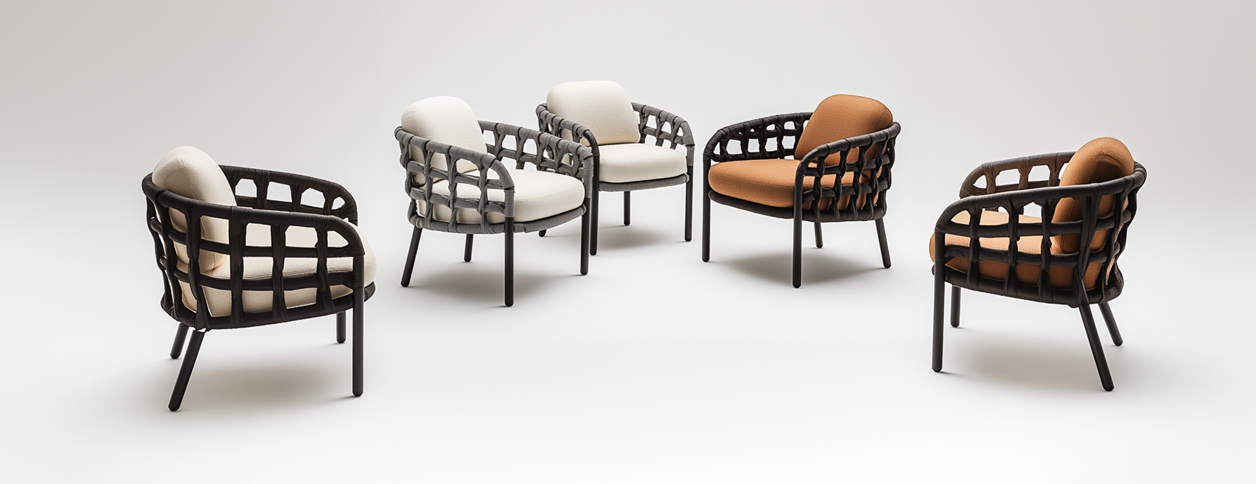
If you’re like us, you've probably walked into your backyard one sunny afternoon only to realize that your once-beautiful patio set now looks like something from a junkyard. Maybe the outdoor rattan sofa is unraveling, or the once-sturdy terrace table chair wobbles like it's had too many drinks. And don’t even get us started on that rusty outdoor sun lounger that creaks every time someone dares to sit on it.
We get it—we’ve been there. We’re just regular homeowners, folks who enjoy spending time outdoors with our families and friends. And like many others, we’ve spent good money on outdoor furniture that didn't last. On average, we were replacing our sets every two years. That's not just annoying—it’s expensive and wasteful. But after years of trial, error, and frustration, we’ve finally figured out what works. And we’re sharing everything we’ve learned so you can avoid the same mistakes.
1. We All Got Fooled by Cheap Looks
Let’s be honest: we’ve all fallen for those beautifully staged store displays. You know the ones—with the perfect lighting, matching cushions, and those signs that scream “SUMMER SALE!” We thought we were getting a great deal. But months later, we were watching our investment fade—literally and figuratively. The sun baked the colors out, the rain rusted the joints, and before we knew it, we were shopping for another set.
The biggest problem? We didn’t pay attention to material quality or brand reputation. It turns out not all furniture labeled “outdoor” is actually built to withstand outdoor conditions.
What works: Now, we only buy from brands that test their outdoor rattan sofa, terrace table chair, and other pieces for UV resistance, moisture durability, and structural stability. Certifications and warranties mean something—they show a manufacturer stands behind their product. It's not about price—it’s about value over time.
2. Modular Furniture Changed Everything
Here's the truth: outdoor furniture will face wear and tear. But that doesn't mean we need to throw out the whole set when one part breaks. We learned the hard way that non-modular furniture is a trap. One torn cushion or cracked frame, and the entire set becomes useless.
What works: We started investing in garden wooden sofa and lounge setups that use modular designs. That means individual parts—legs, arms, cushions, slats—can be replaced separately. No more tossing out a $600 set because of one broken armrest. This approach saves money and lets us make small repairs ourselves.
We even keep a few extra replacement parts now—just in case something fails mid-season.
3. Maintenance Matters (Even When You’re Busy)
We used to think patio furniture was “set it and forget it.” Just put it outside and enjoy. But that mindset cost us dearly. We didn’t realize that a little bit of maintenance could make our furniture last twice as long.
What works: Now, we set reminders every 4–6 weeks to inspect our outdoor sun lounger, terrace table chair, and outdoor rattan sofa for wear and tear. We tighten screws, check joints, and look for early signs of rust or fabric weakening. It takes us maybe 30 minutes, tops. We also wipe down surfaces with a mild cleaner to prevent buildup of dirt, mold, or pollen.
Once a season, we apply wood sealant to our garden wooden sofa, especially before rainy months. That alone made a huge difference in durability.
4. Don’t Underestimate Proper Storage
Before, we used to leave everything out year-round—sun, rain, snow, you name it. Big mistake. The result? Moldy cushions, warped wood, and rusted metal.
What works: Now, we treat our outdoor furniture like we would any investment. During extreme weather or off-season months, we cover everything with waterproof covers. We also bring in cushions and fabric pieces when they’re not in use. It takes just a few minutes but protects against months of damage.
Some of us even store lightweight pieces like outdoor sun loungers in the garage over the winter. It might sound like overkill, but our setups look brand-new, even years later.
5. What We’d Tell Every New Buyer
If we could go back in time, we’d tell our past selves—and anyone shopping today—the following:
Don’t trust appearances. Pretty doesn’t equal durable.
Spend a little more on quality. It pays off in the long run.
Choose modular designs that are easy to repair.
Develop a simple maintenance routine. A little effort goes a long way.
Use protection—covers and storage make a huge difference.
We’ve learned that outdoor furniture doesn’t have to be disposable. When you make smart choices up front and maintain what you have, your furniture becomes an investment instead of a recurring expense. We haven’t replaced a single piece in over three years—and honestly, we don’t plan to anytime soon.
So the next time you see that “deal of the summer,” pause and ask: Will this last more than two years? Is it built for real outdoor life?
Because we’ve been burned before—and we’ve finally found a smarter way.
READ MORE:
Why We Stopped Buying Cheap Outdoor Furniture—and What We Do Instead
We Used to Replace Outdoor Furniture Every Two Years — Until We Did This
From Frustration to Function: How We Made Our Outdoor Furniture Last More Than Two Years
How We Finally Found Patio Furniture That Doesn’t Fall Apart in Two Years