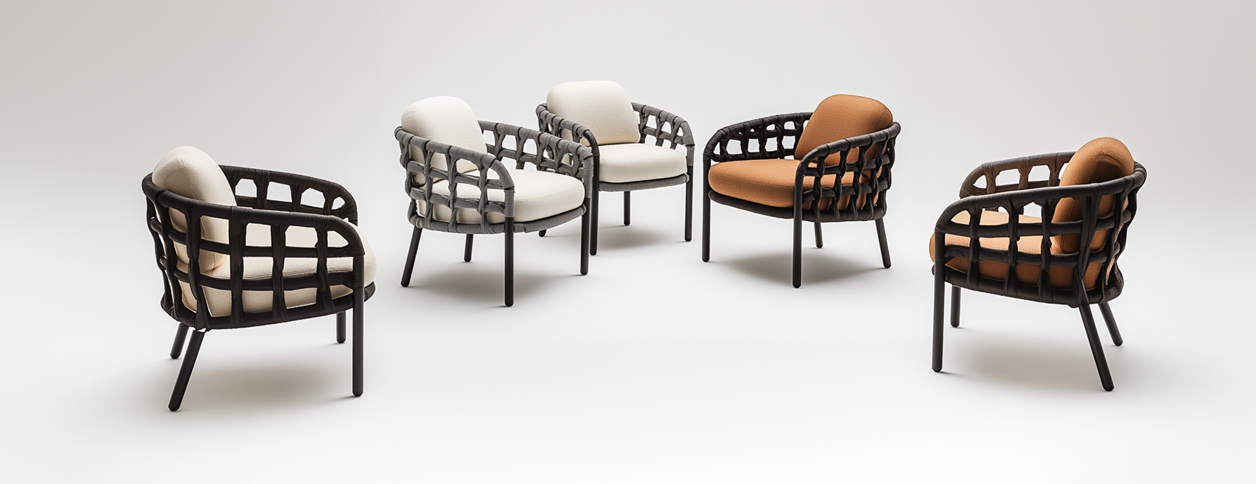
Let’s face it — outdoor furniture has a bad reputation. And honestly, it’s not undeserved. Like many of you, we’ve spent years going through set after set of outdoor rattan sofas, terrace table chairs, and outdoor sun loungers that seemed great at first… and then quickly crumbled under the weight of sun, rain, and time.
We used to think this was just the way it had to be. “Maybe outdoor furniture just isn’t meant to last,” we told ourselves.
But we were wrong.
We’ve finally cracked the code on how to choose and care for outdoor furniture that stands the test of time — and in this article, we’ll share everything we’ve learned.
1. We Stopped Chasing Deals and Started Asking Better Questions
In the past, our buying strategy was simple: wait for a sale, get something stylish, and hope for the best. The sets we bought always looked great in the showroom, but after a year or two, problems would start to show.
The terrace table chair would wobble or rust, the outdoor rattan sofa would fade and fray, and the garden wooden sofa would crack or warp. We thought we just had bad luck — but it turned out, we were asking the wrong questions.
Instead of asking “Does this look good?” we started asking:
What materials is this made of?
Is the frame powder-coated or prone to rust?
Is the rattan synthetic and UV-resistant?
Is there a warranty or durability rating?
Are the cushions water-resistant or just labeled as such?
By switching our focus from price and looks to durability and construction, we found pieces that actually lived up to their “outdoor” label.
2. Real-Life Results from Weather-Tested Furniture
One of the best things we learned was to look for pieces that had undergone third-party weather testing. This changed everything.
Furniture that’s truly tested for UV exposure, salt spray, and water saturation is built with longevity in mind. The outdoor sun lounger we bought from a brand that advertised these tests has lasted three full summers now with no rust and no fabric breakdown. That was a first.
Before, we were replacing loungers almost every year.
Our new outdoor rattan sofa has held up beautifully too — the synthetic rattan hasn’t cracked, the aluminum frame hasn’t corroded, and even the zippers on the cushions still work like new.
3. Modular Designs Made Our Life Easier
We didn’t even know what modular outdoor furniture was until a friend mentioned it. Now, we wouldn’t buy anything else.
With our old sets, one small break — a cracked armrest or a bent leg — meant the whole thing was unusable. Trying to find a matching part or order a replacement was impossible.
But with modular garden wooden sofa systems, we can replace individual components. We’ve changed a slat here, a foot cap there — and just like that, we’ve saved hundreds of dollars by not replacing the entire set.
It’s especially handy with kids and pets in the mix. Things happen, but now we’re prepared.
4. Easy Maintenance: Our Monthly Ritual That Saves Us Big
We used to think maintenance was for obsessives. Who has time to polish patio furniture?
Turns out, a simple monthly 15-minute check makes all the difference.
Here’s what we do now:
Wipe down frames and cushions with a damp cloth.
Inspect for rust on metal joints, especially under the terrace table chair seats.
Apply a coat of wood sealant to the garden wooden sofa every 6 months.
Lubricate any hinges or moving parts on our outdoor sun lounger.
Tighten all visible screws with a basic hex tool set.
It sounds like a lot, but in practice it’s easy — and it means our setup always looks good and functions well.
5. Covers Are Not Optional — They’re Essential
We used to leave everything exposed year-round. A bit of rain or snow couldn’t hurt, right?
Wrong. That’s how we ruined three sets in five years.
Now, we cover everything when it’s not in use — especially during off-seasons. We bought high-quality, waterproof, UV-resistant covers that are easy to throw on and take off. We even cover the outdoor rattan sofa between uses in the summer just to protect against intense midday sun.
Result? Our furniture looks nearly new year after year.
6. Don’t Overlook the Manufacturer’s Reputation
One major shift we made: we started reading reviews and checking company warranties before we bought anything.
Brands that take customer feedback seriously — and offer 1-to-5 year warranties — stand behind their products. And it shows.
Our current terrace table chair set came with a 3-year frame warranty and a customer support hotline that actually answers. When one of the cushions started fading slightly, they sent a free replacement — no questions asked.
That kind of service keeps us loyal and confident.
7. The Environmental and Financial Impact
Here’s something else we didn’t realize until we stopped the cycle of replacing furniture every 2 years: the waste.
All those old sets ended up in landfills. That’s metal, plastic, and wood that could have lasted longer if built better and maintained right.
Plus, when you add up what we spent in 6 years of replacements, it’s easily 4-5 times what we’ve spent since switching to higher-quality furniture.
In short: better furniture is better for your wallet and for the planet.
Final Thoughts from Everyday Consumers Like Us
If you’re feeling frustrated with outdoor furniture that doesn’t live up to its name, we’ve been there. The cycle of buying, breaking, and rebuying is exhausting.
But you don’t have to settle. With better research, smarter buying decisions, and basic maintenance, we’ve seen what outdoor furniture can truly be — long-lasting, comfortable, and worth every penny.
So here’s our advice, from consumers who’ve learned the hard way:
Look for durability, not just design.
Prioritize tested materials and modular construction.
Maintain your furniture like you do your car or appliances.
Protect it from the elements with covers and indoor storage.
Support brands that support you.
We love our outdoor space again — and now we know it’s built to last.
READ MORE:
Why We Stopped Buying Cheap Outdoor Furniture—and What We Do Instead
We Used to Replace Outdoor Furniture Every Two Years — Until We Did This
From Frustration to Function: How We Made Our Outdoor Furniture Last More Than Two Years
We’re Tired of Buying Outdoor Furniture Every Two Years—Here’s What Works