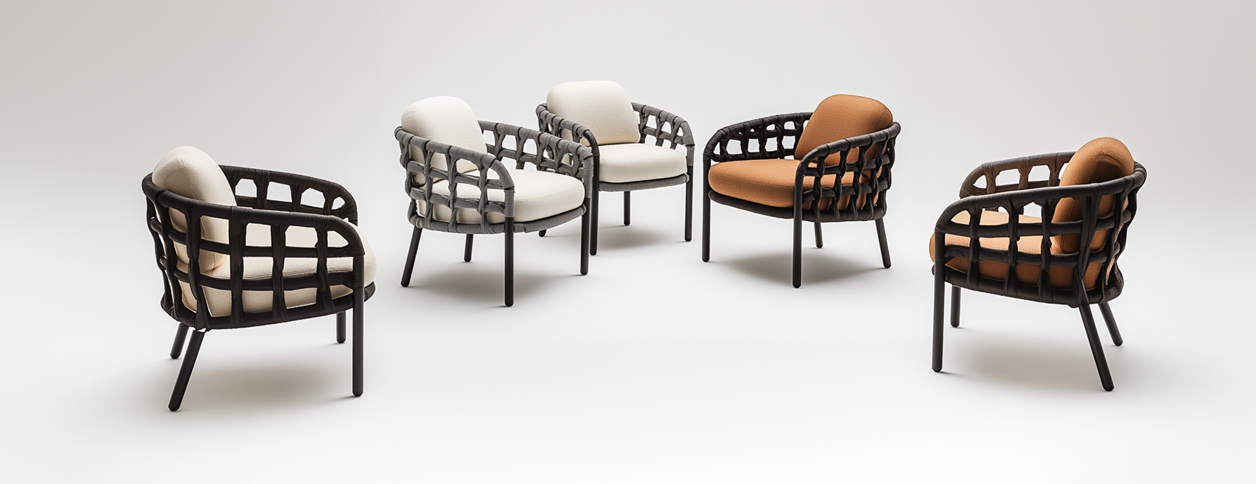
Back in the day, we thought we were making smart purchases. After all, outdoor furniture is everywhere — flashy sets of outdoor rattan sofas, stylish terrace table chairs, and luxurious outdoor sun loungers that seem too good to pass up.
But then came the disappointments. Faded fabric. Rusted legs. Cushions that mildewed. Loungers that collapsed mid-summer. We replaced entire setups every two years, sometimes sooner.
Eventually, we asked ourselves: Is there a better way?
Turns out, there is — and it started with rethinking everything we thought we knew about patio furniture. Now, it’s been over four years and counting, and we haven’t needed to replace a single item. This article shares what we changed and what we’ll never go back to.
1. We Stopped Buying for Style and Started Buying for Survival
Like most consumers, we were drawn to the aesthetics. If a set looked good in photos and was “on sale,” we figured it was a win. But we didn’t consider whether it could survive actual outdoor conditions.
Our mistakes:
Buying outdoor rattan sofas with weak stitching and no UV protection.
Choosing terrace table chairs with painted steel frames that rusted in one season.
Believing “weather-resistant” meant “weatherproof.”
Now we buy for function first:
Is the frame rust-proof?
Are the cushions removable and washable?
Is the rattan synthetic and rated for UV exposure?
Does the warranty cover real-world use?
Looks fade — performance lasts.
2. Maintenance Became Part of Our Monthly Routine
We used to set up furniture in the spring and forget about it. But letting it sit for months exposed to sun, dust, rain, and pollution was like leaving your car in the driveway with no oil change.
So we created a low-effort, high-impact routine:
Weekly: Brush off dirt, shake out cushions, check for moisture buildup.
Monthly: Wipe down all surfaces, check for rust, tighten screws.
Seasonally: Deep clean the garden wooden sofa, reapply wood sealant, lubricate outdoor sun lounger hinges.
Our current set has gone through four summers without a single failure — all thanks to preventive care.
3. Covers Are the Cheapest Insurance Policy You'll Ever Buy
A $30 cover saved us hundreds.
That’s the lesson we learned when we started using fitted, waterproof covers for our outdoor rattan sofa, terrace table chairs, and garden wooden sofa.
The cover blocks UV rays, repels water, and keeps out dust and pollen. Plus, they’re fast to throw on — especially with elastic hems and buckles.
If we know it’ll rain, we throw the covers on. If it’s the offseason, everything gets packed up or stored in the garage. This one habit alone has kept our furniture looking nearly new.
4. We Asked Real Users for Feedback — Not Just Salespeople
We stopped trusting sales floor pitches and started digging into real consumer reviews.
What do people say after using the furniture for 6+ months?
How did it hold up in different climates?
Was customer service responsive?
Did anyone mention broken welds or moldy cushions?
This research led us to brands that stand behind their products — ones with 3–5 year warranties, available spare parts, and responsive support teams.
Our current outdoor sun lounger had one minor crack after delivery. The company sent a replacement part the same week — free of charge.
5. Modular Furniture Saved Us from Total Replacements
We’ve all had it happen: one leg breaks, and the entire chair is toast. But when we bought modular garden wooden sofa sets, that changed everything.
Now, if a part breaks, we replace just that part. It’s:
Cheaper
Easier
Environmentally responsible
We’ve swapped cushion covers, replaced plastic foot caps, and even upgraded armrests. The frame, meanwhile, is still solid.
This modularity means our setup evolves with us — not against us.
6. We Treated Our Patio Like an Extension of Our Living Room
We used to treat patio furniture like disposable camping gear — temporary, cheap, and replaceable.
Now we see it differently.
It’s where we drink coffee in the mornings, entertain friends, and spend evenings as a family. It deserves the same care as our living room furniture — and the same thoughtfulness in purchasing.
So we now:
Invest more upfront in quality materials.
Treat our space like a long-term living area.
Care for it the way we’d care for any room in our home.
That shift in mindset changed everything.
7. We Share Our Experience to Help Others Break the Cycle
Too many consumers are stuck in the same frustrating pattern: buy, use, watch it break, repeat. It’s not just wasteful — it’s demoralizing.
So we’re telling everyone we know:
Don’t buy cheap sets expecting longevity.
Do research the materials and construction.
Look for modularity, warranties, and service.
Commit to basic maintenance.
Use covers. Always.
These steps aren’t complicated. They just take intention — and they pay off.
What Our Setup Looks Like Today
Outdoor rattan sofa (4 years old): Still structurally sound, cushions look new.
Terrace table chair (3.5 years): No rust, comfortable, still our favorite dining set.
Outdoor sun lounger (4 summers): Moves smoothly, no broken parts, minimal fading.
Garden wooden sofa (3 years): Still beautiful, just resealed last month.
No replacements. No regrets.
Final Thoughts
Outdoor furniture doesn’t have to be a recurring expense or a source of frustration. With the right mindset and a few smart changes, it can be one of the most rewarding spaces in your home.
We’ve gone from replacing everything every two years to enjoying our setup year after year. It’s possible — and you can do it too.
Make smart choices. Maintain what you have. And invest in furniture that’s built to last.
READ MORE:
Why We Stopped Buying Cheap Outdoor Furniture—and What We Do Instead
From Frustration to Function: How We Made Our Outdoor Furniture Last More Than Two Years
How We Finally Found Patio Furniture That Doesn’t Fall Apart in Two Years
We’re Tired of Buying Outdoor Furniture Every Two Years—Here’s What Works