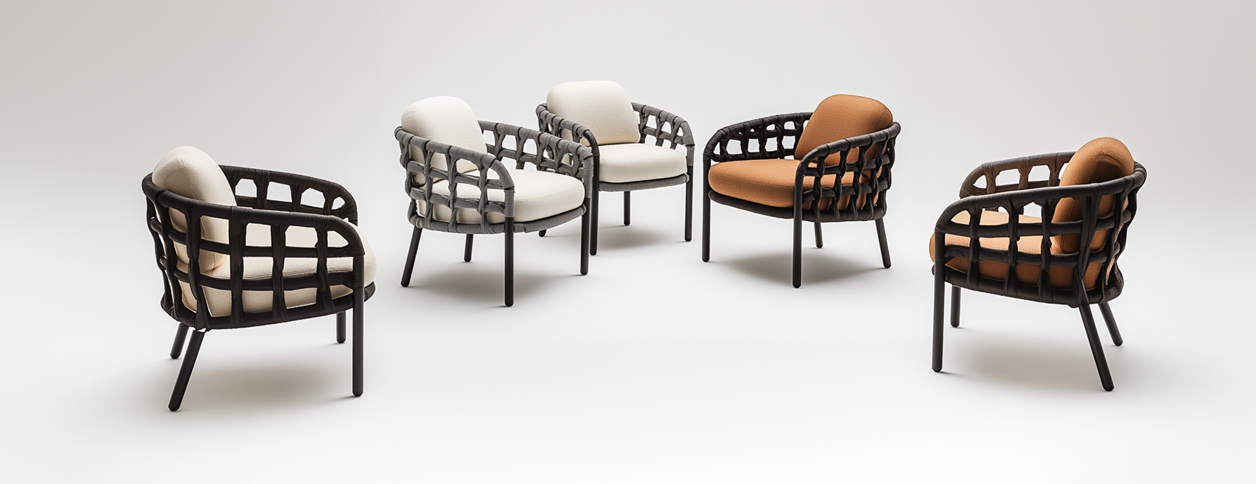
We used to think short-lived patio furniture was just part of outdoor living. Every couple of years, we’d find ourselves back in the same big-box store, shopping for a new outdoor rattan sofa, another terrace table chair, or a different style of outdoor sun lounger — hoping this time it would last.
It never did.
But then something changed. We got tired of wasting our hard-earned money on “disposable” furniture. We started researching, talking to other consumers, reading reviews, and — most importantly — learning from our own costly mistakes.
Now, it’s been over four years since we last replaced a single piece. And in this article, we want to share the simple shifts we made that turned frustration into satisfaction — and patio furniture into a long-term investment.
1. We Admitted the Problem Was Partly Us
It was hard to admit, but we were part of the problem. We’d been buying based on appearance, convenience, and price — not durability. We assumed that “outdoor” automatically meant weatherproof.
We were wrong.
Our garden wooden sofa looked great when it was new, but it wasn’t sealed. The rain soaked into the wood, and by the end of the season, it was warped and cracking. Our terrace table chair started rusting after just three months of humidity, and the outdoor rattan sofa began unraveling in direct sunlight.
The lesson? Labels don’t equal quality. The word “outdoor” doesn’t guarantee resilience.
2. We Learned the Materials Make the Difference
Most of the cheap furniture we bought was made with low-grade steel, faux rattan that couldn’t handle UV rays, and cushions that were “moisture-resistant” in name only.
Now, we look for:
Powder-coated aluminum or stainless steel frames — rust-resistant and light.
HDPE resin wicker (high-density polyethylene) — built for the sun and rain.
Solution-dyed acrylic cushions — colors that don’t fade in months.
Hardwoods like teak or acacia — and we seal them ourselves twice a year.
Our current outdoor rattan sofa uses all-weather wicker and an aluminum frame. It’s been through tropical storms and intense sun — and it still looks amazing.
3. We Embraced Modular and Repairable Designs
We’ll never go back to traditional, welded-frame furniture. When one joint fails or one piece breaks, you’re out of luck.
Now we buy garden wooden sofa and outdoor sun lounger sets that are modular — that means every piece is detachable, replaceable, and customizable.
In the last two years, here’s what we’ve done:
Swapped out a broken leg from a terrace table chair.
Replaced only the cushion covers (not the whole set).
Tightened and adjusted multiple components without needing a professional.
This modularity has saved us hundreds of dollars — and saved several pieces from being sent to the dump.
4. We Built a Real Maintenance Routine
Let’s be real: outdoor furniture lives a hard life. Sun, wind, rain, dirt, pollen, spills — it all takes a toll. For a long time, we just ignored it. Now we know better.
Our monthly maintenance checklist now includes:
Dust and wash all furniture surfaces.
Re-seal any exposed wood if needed.
Tighten screws and bolts — especially on the terrace table chair.
Lubricate moving parts on our outdoor sun lounger.
Check cushions for mold or fading.
Store or cover everything when not in use.
It sounds like a lot, but it takes under an hour each month. And the results are worth it. Everything feels safe, sturdy, and clean — every time we sit down.
5. We Use Furniture Covers Religiously
We used to think covers were optional. Now we treat them like seat belts — absolutely essential.
We invested in a set of breathable, waterproof covers that go over the outdoor rattan sofa, terrace table chair, and even the garden wooden sofa. They take just minutes to put on or remove.
Now we never leave our furniture exposed overnight, especially when rain is in the forecast. In the off-season, we store items in our shed or garage — even the lounger comes inside.
This one habit alone has doubled the lifespan of our furniture.
6. We Consider the Brand’s Long-Term Reputation
We used to choose brands we’d never heard of — mostly because the price looked good.
But we’ve learned to research deeper. Now we look for:
Long-standing manufacturers with a solid customer base.
At least a 2-year frame warranty.
Dedicated customer support with real answers.
Spare parts or repair kits sold on their websites.
The brand behind our current outdoor sun lounger even mailed us a replacement armrest — free — when ours cracked during shipping. That kind of support is priceless.
7. We Stopped Replacing Furniture and Started Reinvesting
At first, better furniture seemed more expensive. But when we added up what we’d spent replacing cheap sets every two years, it was shocking.
Here’s a comparison:
| Cheap Furniture (4 years) | Quality Furniture (4 years) |
| 2 x $500 = $1000 | 1 x $900 = $900 |
| Multiple replacements, wasted | No replacements, just maintenance |
| Disposed old sets | Still using current setup |
We didn’t just save money — we saved time, energy, and landfill space.
What We Recommend to Every Buyer Now
Whether you’re shopping for your first set or replacing another failed one, here’s our consumer-tested, real-world advice:
Buy smart, not cheap — Focus on materials and construction.
Go modular — Easier to repair and extend the lifespan.
Schedule maintenance — It’s simple, and it pays off.
Invest in covers — Protect from UV, rain, and dirt.
Choose trusted brands — Look for warranties and support.
Think long-term — A bigger upfront investment saves you more in the long run.
Final Thoughts
We’re not furniture experts or designers. We’re just homeowners who got tired of throwing money away on patio sets that couldn’t survive more than two summers.
What we’ve found is that durability isn’t a luxury — it’s a choice. And with a little bit of research, effort, and care, you can enjoy beautiful, reliable outdoor furniture that lasts for years — not just seasons.
We hope our lessons help you make smarter choices and finally break the cycle of short-lived furniture.
READ MORE: