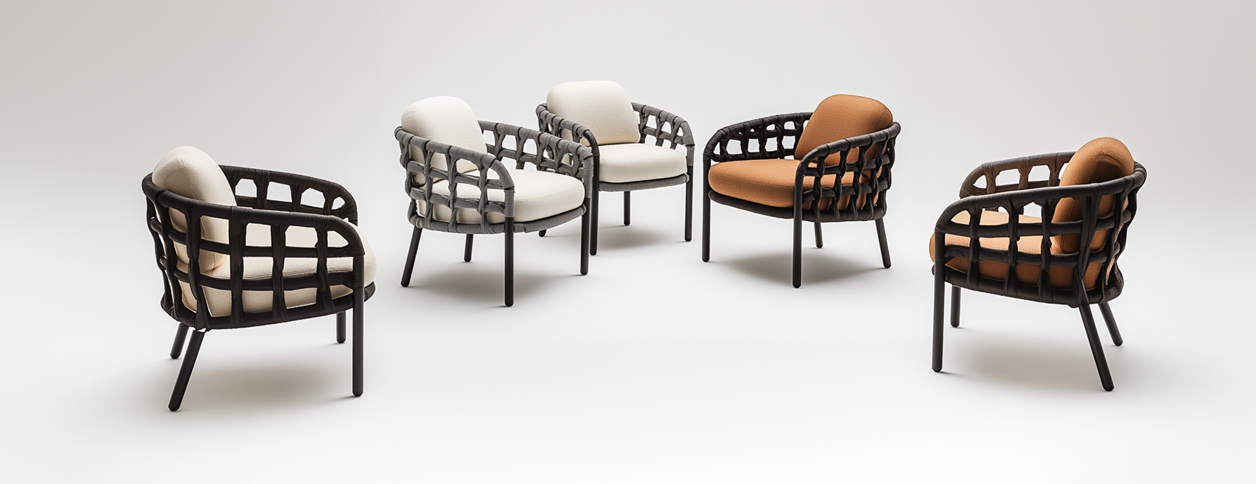
Among all outdoor furniture pieces, terrace table chairs are often the most used — and most abused. They’re where we gather for meals, work from home on sunny afternoons, host guests, or enjoy quiet evenings with a drink. Given their frequent use and exposure to the elements, terrace table chairs demand attention, yet few homeowners give them the proper care they deserve.
This guide provides practical solutions for maintaining these chairs with minimal effort, ensuring they stay inviting, clean, and comfortable year-round.
Why Terrace Chairs Wear Faster Than Expected
While terrace chairs may seem robust, they face multiple environmental stressors:
Direct sun exposure can cause color fading, material brittleness, and surface cracking.
Wind-blown dust and debris often settle into joints, under seats, and along frame edges.
Rain and moisture lead to rust (on metal frames) or mold (on fabric and wood).
Body oils, sunscreen, and food stains build up over time, dulling surfaces.
Especially when paired with a terrace table that’s frequently used, chairs quickly become grimy, uncomfortable, and uninviting — unless cleaned regularly.
Daily Habit: The 2-Minute Wipe Down
A quick daily wipe can go a long way. Use a soft microfiber cloth dampened with water and a drop of mild detergent to wipe:
For mesh or fabric-style chairs, consider a small handheld vacuum to remove dust from textured surfaces.
This also applies to outdoor sunloungers, which often feature similar frame materials and cushioning.
Monthly Deep Clean: Tools and Steps
You don’t need special equipment to do a deep clean — just a little planning and the right technique.
You’ll need:
Bucket of soapy water (mild dish soap)
Sponge and soft-bristle brush
Garden hose or spray bottle
White vinegar (optional, for mold)
Dry towel
Step-by-step:
Remove cushions and fabric parts (if any).
Spray or sponge soapy water on all surfaces.
Let it sit for 3–5 minutes to loosen grime.
Scrub joints and underside areas with a soft brush.
Rinse with clean water and wipe dry.
Air dry completely before use.
If you notice mold spots, dab with a mix of white vinegar and water before rinsing.
Protective Measures for Long-Term Ease
Preventive care is the best maintenance strategy. Here are low-effort tips to make upkeep easier:
Furniture placement: Position chairs away from tree sap, dripping eaves, or dusty corners.
Leg protectors: Use rubber or silicone caps to prevent dirt and moisture from climbing up the legs.
Stacking or folding: Choose stackable or foldable designs to simplify storage.
Chair covers: Use waterproof, breathable covers during off-use periods.
When to Replace vs. Restore
Sometimes, no amount of cleaning brings back the original look. Here's how to decide:
Replace if**:**
Frames are bent or rusted through
Fabric is torn or moldy beyond recovery
Hardware is missing or broken
Restore if**:**
The structure is sound, but cushions are worn — swap in new seat pads.
Minor rust or paint chipping — sand and repaint.
Fabric covers look tired — consider dyeing or reupholstering.
This not only saves money but reduces waste — a win-win for your wallet and the environment.
Matching Aesthetics with Durability
Today’s market offers terrace table chair designs that marry form and function. Look for:
Powder-coated aluminum: Rust-resistant and lightweight
PE rattan weave: Durable and weather-friendly
Textilene fabric: Quick-drying, mold-resistant material
Detachable cushions: Easy to clean and replace
Pair these with a garden wooden sofa or outdoor rattan sofa for a cohesive look that’s easy to care for.