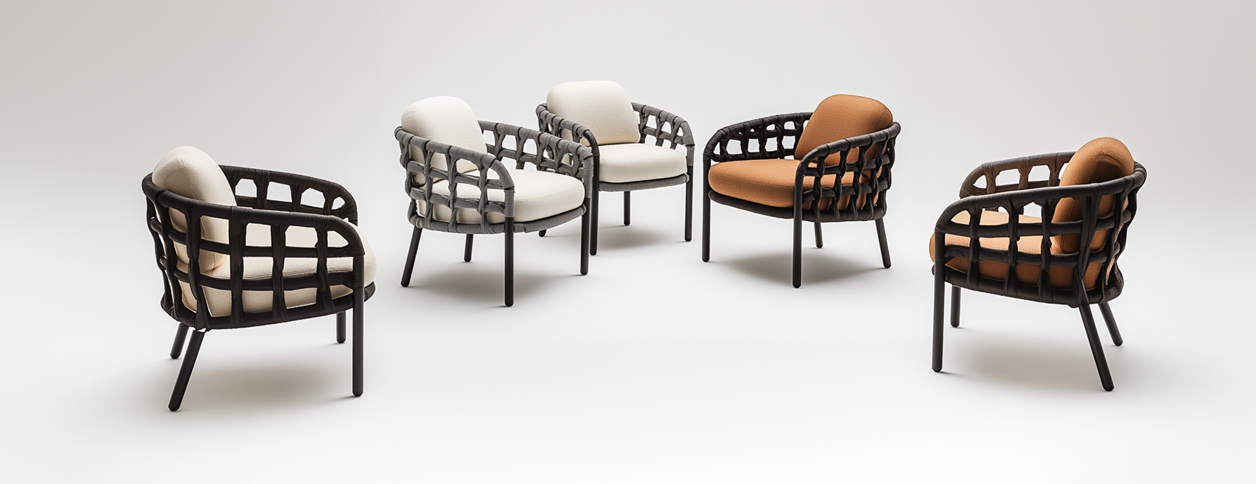
Few pieces of furniture embody relaxation like the outdoor sun lounger. Whether you're sunbathing on the patio, enjoying a poolside nap, or reading a book on the deck, a sun lounger offers the perfect combination of comfort and style. However, its horizontal design and exposure to outdoor elements make it especially vulnerable to dirt, stains, and wear.
This guide explores how to maintain outdoor sunloungers so they stay inviting, safe, and stylish — without requiring excessive time or energy.
Why Sun loungers Require Special Attention
Unlike standard chairs or sofas, sun loungers are:
Larger in surface area, which means more space for dust, bird droppings, sunscreen residue, and rain spots to collect.
Frequently used in sunny or wet areas, such as pool decks, gardens, or terraces.
Built with reclining mechanisms, which can trap debris or rust if not maintained.
The more luxurious the lounger, the more likely it is to come with cushions, adjustable sections, or hybrid materials — all of which need targeted care.
Fast Daily Upkeep
If your sun lounger is in regular use, make a habit of this quick 3-step routine:
Dust and Shake: Gently shake or brush off the cushion and frame to remove leaves, dust, or sand.
Surface Wipe: Use a damp cloth with a few drops of dish soap to wipe the seat and frame, especially areas where skin, oil, or beverages contact the surface.
Dry Immediately: Even if it’s a warm day, dry the frame and cushion to avoid water stains or mold buildup.
Deep Clean: Every Two Weeks or Monthly
Sun loungers benefit from periodic deep cleaning, especially if exposed to saltwater or intense UV.
Materials Checklist:
Steps:
Remove the cushion and clean it separately (machine-washable covers are ideal).
Scrub the lounger surface gently with a sponge soaked in soapy water.
Use a brush on corners, hinges, or textured areas.
Rinse thoroughly with clean water.
Dry completely with a towel or in shaded sunlight.
Mold, Mildew & Odor Control
If your sun lounger smells musty or shows signs of mold:
Mix white vinegar with water in a spray bottle and apply directly to affected areas.
Let it sit for 15–20 minutes before scrubbing and rinsing.
Allow complete air drying before storing or using the lounger again.
For long-term prevention, use quick-dry cushions and store loungers upright when not in use to improve ventilation.
Smart Storage Practices
Sun loungers are typically too large to haul indoors every night, but with smart strategies, you can keep them protected:
Use waterproof, UV-resistant covers tailored to your lounger’s dimensions.
Raise off the ground with wood slats or plastic risers to prevent pooling water under the frame.
Store cushions separately in a waterproof bin or bench.
For folding loungers, store vertically in a shed or on wall hooks to save space.
Material-Specific Tips
Aluminum Frames: Rust-resistant but still need wiping to prevent stains.
Plastic Loungers: Avoid bleach or abrasives which can dull the surface.
Wooden Loungers: Reapply protective oil every few months, especially for teak.
PE Rattan Loungers: Wash with mild soap and use a soft brush to clean gaps.
Enhancing Comfort Without Sacrificing Cleanability
Choose removable, zippered cushion covers made from acrylic or polyester — both dry quickly and resist fading.
Add a detachable headrest or towel layer for easy washing.
Consider dual-position loungers that fold flat for easier storage and cleaning access.
Pair your sun lounger with a nearby terrace table chair or garden wooden sofa to create a cohesive, functional outdoor layout.