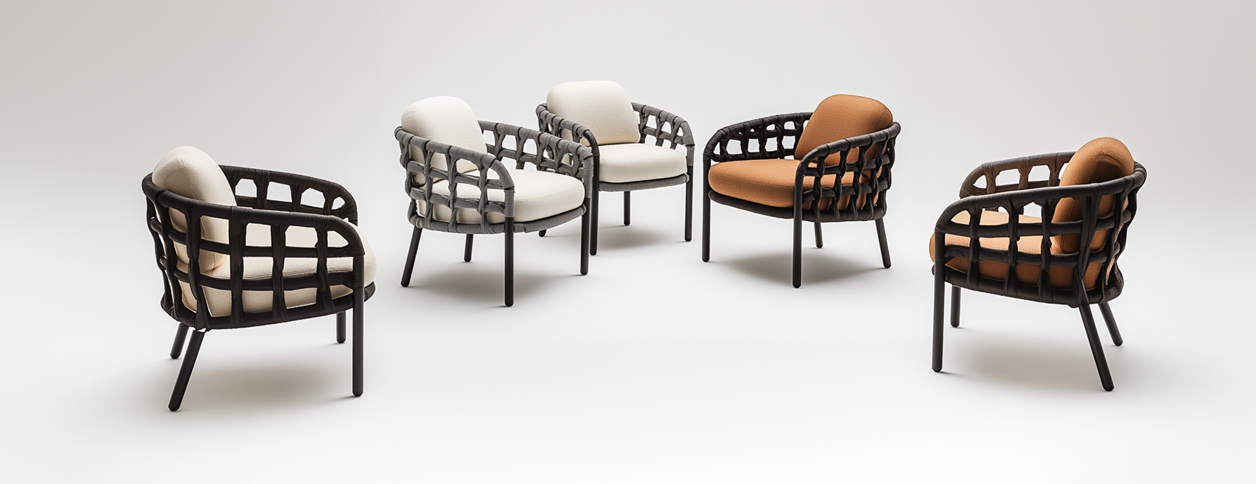
The growing popularity of outdoor living spaces has elevated the importance of comfortable seating. Among the many choices, the outdoor sun lounger stands out as a timeless favorite. It is more than just a chair—it’s a place to rest, soak in sunlight, or escape with a good book. Comfort, however, depends on much more than looks. To ensure long-term satisfaction, homeowners should focus on key features that truly enhance relaxation and usability.
.jpg)
.jpg)
Adjustable Recline: A Must-Have Feature
A fixed-position lounger quickly becomes limiting. Comfort depends on versatility, and adjustability is the first feature to look for. Multi-position backrests let users sit upright, recline slightly, or lie completely flat. A backyard sun lounger with full recline options is particularly valuable for afternoon naps or sunbathing. Adjustable designs accommodate different activities and users, ensuring that everyone finds their ideal position. This adaptability is one of the strongest indicators of a lounger’s quality.
Cushioning, Padding, and Fabric Choices
The feel of the surface makes or breaks comfort. Cushions should provide a balance of softness and support without flattening too quickly. Breathable fabrics, such as mesh or quick-dry textiles, are excellent for warm climates. A waterproof sun lounger with moisture-resistant padding ensures the lounger remains usable even after unexpected showers. Fabrics should also be UV-treated to prevent fading from sun exposure. High-quality materials not only improve comfort but also extend the lounger’s lifespan.
Frame Durability and Stability
A comfortable lounger must also feel secure. Frames crafted from aluminum are lightweight, rust-resistant, and easy to move. Wooden options, especially teak, add natural elegance and remarkable durability. A backyard sun lounger with a strong, stable frame eliminates wobbling or sagging that disrupts relaxation. Durability contributes to peace of mind, allowing homeowners to lounge without worrying about wear and tear.
.jpg)
.jpg)
Ergonomic Design for Full-Body Support
Comfort is closely tied to ergonomics. A well-designed outdoor sun lounger supports the spine, shoulders, and legs, promoting healthy posture. Contoured seating, adjustable footrests, and optional armrests provide additional support. Ergonomics reduce the risk of strain, making it possible to enjoy the lounger for hours. For those who use their loungers daily, ergonomic features transform simple seating into a true relaxation experience.
Portability and Space-Saving Designs
Not every patio or deck offers abundant space, making portability crucial. Loungers with built-in wheels allow easy repositioning to follow the sun or move into shade. Foldable designs are perfect for compact areas, enabling storage during off-seasons. When paired with multi-functional outdoor furniture like stackable tables or benches, portable loungers contribute to a dynamic, flexible outdoor setup. This convenience enhances overall comfort by simplifying daily use.
Weather Resistance and Low Maintenance
A lounger’s comfort should not be interrupted by constant maintenance. A waterproof sun lounger provides assurance against rain and humidity, protecting cushions from mildew. UV-resistant coatings preserve fabrics and finishes, maintaining both style and usability. Removable covers and easy-to-clean surfaces make upkeep minimal. Low-maintenance furniture reduces stress, allowing homeowners to focus on the comfort of relaxation rather than care tasks.
.jpg)
.jpg)
Integrating Loungers Into Outdoor Décor
Psychological comfort matters just as much as physical ease. A lounger that fits seamlessly into its environment enhances the feeling of relaxation. Coordinating loungers with complementary outdoor furniture—such as tables, umbrellas, or accent chairs—creates cohesion in design. A harmonious space feels organized and inviting, making time spent outdoors more enjoyable.
Conclusion: Choosing Features That Last
Comfort in a lounger results from the combination of versatility, cushioning, stability, ergonomics, portability, and weather resistance. A thoughtfully designed outdoor sun lounger offers more than seating—it provides an escape. When integrated with supportive outdoor furniture, it elevates the entire patio or garden into a space dedicated to relaxation and leisure. By prioritizing these features, homeowners ensure that their investment delivers both comfort and durability for years to come.
READ MORE: