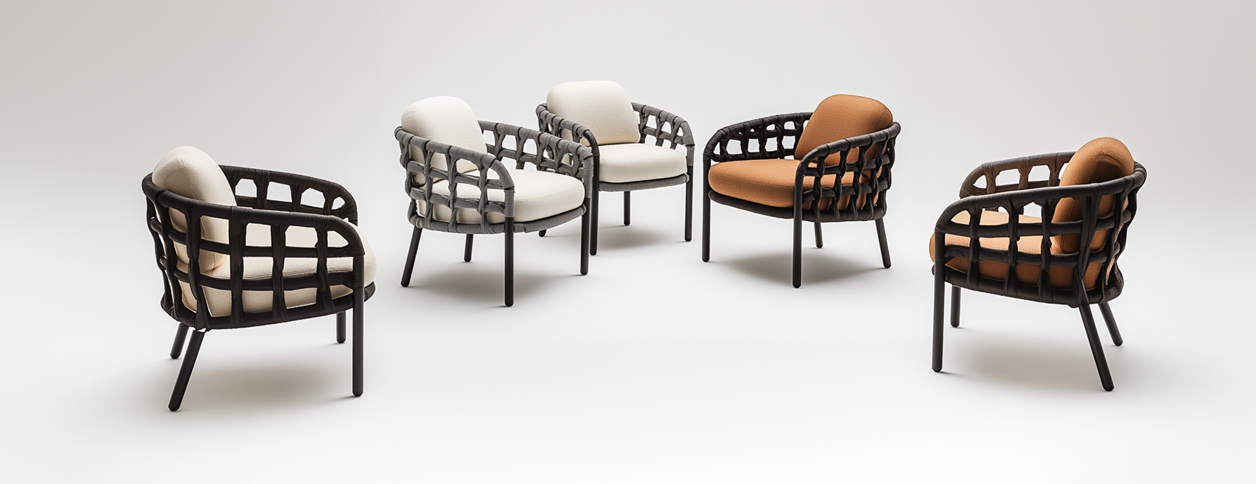
Relaxation is one of the greatest pleasures of outdoor living, and few pieces of furniture embody that spirit better than the outdoor sun lounger. Whether it’s placed by the pool, tucked into a quiet garden corner, or positioned on a small patio, the lounger becomes a personal retreat. However, comfort in a lounger is not just about looks—it depends on specific design features that influence how the body feels, how durable the furniture is, and how easy it is to maintain. Selecting a comfortable lounger means carefully evaluating details such as adjustability, materials, and ergonomics.
.jpg)
.jpg)
Adjustable Reclining Options for Versatility
One of the first and most important features in a comfortable lounger is the ability to recline at different angles. A single fixed-position lounger limits usability, whereas an adjustable one caters to multiple scenarios. A person reading a book may want to sit upright, while someone sunbathing prefers to recline fully. A backyard sun lounger with a flat-bed setting even doubles as an outdoor nap space, offering flexibility for various moods and activities. This adjustability reduces pressure on the spine and neck, providing comfort for long sessions outdoors.
Cushioning and Upholstery for Extended Comfort
Another essential factor is the quality of the seating surface. Even with a sturdy frame, comfort can be compromised without proper padding or breathable fabrics. Loungers with thick cushions make it easy to relax for hours, while mesh fabrics allow airflow, preventing overheating in summer. Homeowners should consider fabrics designed for outdoor use—ones that resist UV fading and repel moisture. A waterproof sun lounger with removable, washable covers provides the perfect balance between comfort and practicality. This way, cushions stay dry after a sudden rain shower and can be cleaned easily, ensuring the lounger always feels inviting.
_M6oaWJ.jpg)
_HXI8DI.jpg)
Frame Material and Durability
Comfort also comes from the reassurance of stability. A wobbling or fragile frame undermines relaxation, no matter how soft the cushions are. Aluminum frames are popular for being lightweight, rust-resistant, and easy to move. Wooden frames, such as teak, appeal to those who prefer natural aesthetics and long-lasting durability. A backyard sun lounger with a well-constructed frame holds weight evenly and avoids creaking or sinking after repeated use. Longevity in the structure translates directly into user confidence, which is a subtle but crucial aspect of comfort.
Portability and Storage Features
In smaller outdoor spaces, portability makes a big difference. Loungers with built-in wheels can be repositioned easily depending on sunlight or shade. Foldable designs are perfect for patios where storage space is limited, allowing the lounger to be stowed away during colder months. When integrated into a layout with other outdoor furniture, such as side tables and compact benches, portability ensures a flexible environment that adapts to different uses—entertaining friends one day, solitary relaxation the next. A portable lounger ensures that comfort extends beyond just sitting—it includes convenience in moving and arranging.
Ergonomic Support and Design Details
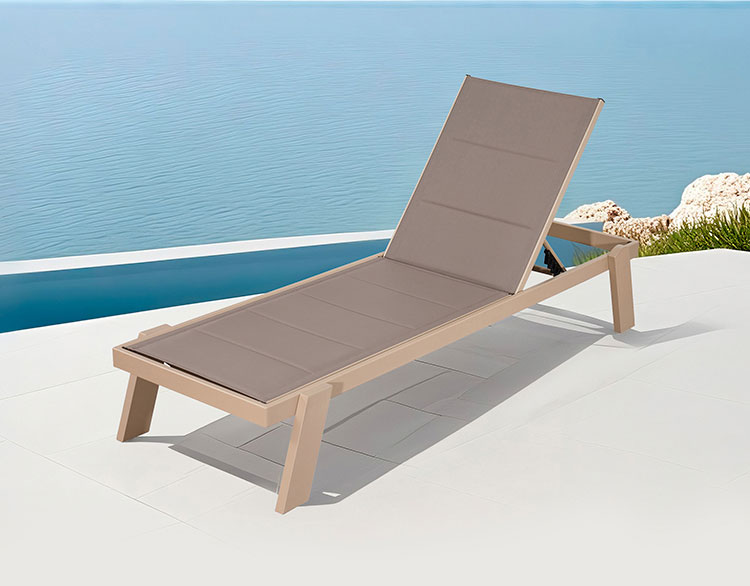
Beyond cushions and frames, ergonomic design is fundamental. A high-quality outdoor sun lounger provides natural alignment for the body. Loungers with contoured shapes support the lower back and legs, while models with adjustable armrests add extra comfort. Footrest extensions are another valuable feature, ensuring the body is fully supported. Ergonomics reduces the chances of discomfort or muscle strain, allowing longer, more enjoyable use. For people who use their loungers frequently, these details can make the difference between occasional sitting and true all-day comfort.
Weather Resistance and Low Maintenance
Outdoor furniture is constantly exposed to the elements, so weatherproofing is essential for comfort that lasts. A waterproof sun lounger prevents water from soaking cushions, reducing the risk of mildew and odors. Loungers with UV-resistant treatments avoid fabric fading and material breakdown. Removable covers simplify cleaning, while rust-resistant frames minimize upkeep. The less time spent worrying about maintenance, the more comfortable the overall experience becomes.
Aesthetic Harmony With Outdoor Spaces
Comfort is also psychological. A lounger that blends well with its surroundings enhances relaxation by creating a harmonious atmosphere. Pairing loungers with complementary outdoor furniture—such as matching tables, umbrellas, or storage benches—creates a cohesive aesthetic that makes the patio or garden feel like an extension of the home. A stylish lounger that complements its environment contributes to a sense of comfort that goes beyond the physical.
Conclusion: Features That Truly Matter
Choosing the perfect lounger requires more than just selecting a design you like. The best models combine ergonomic support, adjustable reclining, durable materials, portable features, and weatherproofing. A well-chosen outdoor sun lounger becomes a versatile piece that adapts to different needs, resists outdoor conditions, and provides long-lasting comfort. When paired with well-chosen outdoor furniture, the result is a backyard retreat that encourages relaxation day after day.
READ MORE: