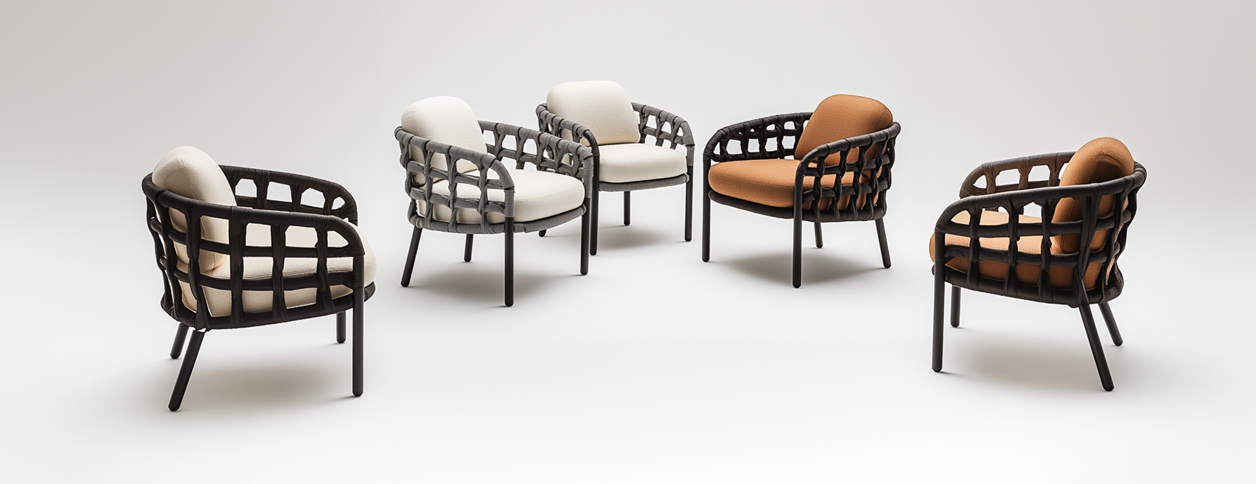
The perfect outdoor sun lounger is more than a piece of furniture—it is an investment in relaxation and lifestyle. A well-designed lounger transforms a backyard, patio, or poolside into a sanctuary. Comfort, however, doesn’t come by chance. It depends on specific features that influence usability, durability, and aesthetics. Understanding what to look for ensures you select a lounger that delivers maximum enjoyment season after season.
.jpg)
.jpg)
Adjustable and Ergonomic Design
One of the clearest signs of a comfortable lounger is adjustability. Multi-recline settings allow users to shift from upright reading to flat lounging with ease. An ergonomic backyard sun lounger adapts to the body’s natural shape, reducing strain on the neck, shoulders, and back. Features such as extendable footrests and armrests enhance support, making extended lounging sessions truly restful. Ergonomics is not just about posture—it is about ensuring comfort over long periods.
Quality Cushions and Fabric Selection
Seating comfort is highly influenced by the materials used. Loungers with thick, supportive cushions offer plush relaxation, while breathable fabrics like mesh prevent heat buildup. For practicality, a waterproof sun lounger with quick-dry padding and mildew-resistant covers ensures usability even after unexpected rain. UV-resistant fabrics also prevent fading, keeping the lounger looking fresh while maintaining comfort. Good upholstery ensures that relaxation never feels compromised by dampness or heat.
.jpg)
.jpg)
Frame Construction and Durability
Behind every comfortable lounger lies a solid frame. Aluminum is a preferred material for its lightweight durability and rust resistance. Teak and acacia wood are excellent for those who appreciate natural aesthetics and longevity. A backyard sun lounger with a sturdy frame not only feels stable but also withstands years of use without weakening. The assurance of stability contributes directly to physical comfort by eliminating the worry of wobbling or collapse.
Portability and Storage Convenience
Practicality adds to overall comfort. Loungers with wheels are easy to move between sunny and shaded spots, while foldable designs are ideal for patios with limited space. Portable loungers allow homeowners to rearrange layouts as needed, adapting to seasonal changes or social gatherings. When paired with versatile outdoor furniture, such as slim tables or storage benches, portability ensures flexibility and convenience without sacrificing comfort.
.jpg)
.jpg)
Weatherproofing and Easy Maintenance
Comfort is not just physical—it includes peace of mind. A waterproof sun lounger ensures that sudden showers do not result in soggy cushions. Rust-proof frames and UV-resistant fabrics extend the lifespan of the furniture, reducing the need for constant upkeep. Removable covers that can be machine-washed simplify cleaning. Low-maintenance designs free homeowners from constant worry, letting them fully enjoy their leisure time.
Visual Appeal and Outdoor Integration
Aesthetics influence psychological comfort. A lounger that blends seamlessly with its environment creates harmony and enhances relaxation. Coordinating loungers with matching outdoor furniture—whether a side table, umbrella, or planter—establishes a cohesive look that feels inviting. Comfort extends beyond physical ease to include the satisfaction of enjoying a well-designed, stylish space.
Conclusion: The Features That Count
The most comfortable loungers combine adjustability, ergonomic support, quality cushions, durable frames, portability, and weather resistance. Selecting an outdoor sun lounger with these attributes guarantees both relaxation and long-term value. When harmonized with practical outdoor furniture, loungers create outdoor spaces that feel complete. By focusing on these essential features, homeowners can transform their outdoor environments into personal retreats that encourage relaxation every day.
READ MORE: