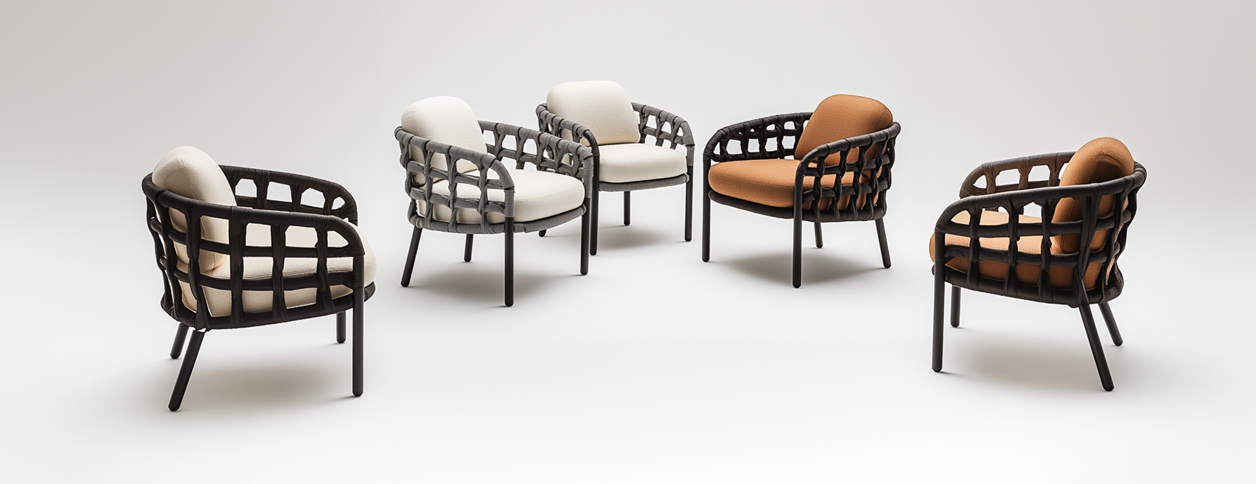
An outdoor sun lounger is one of the most beloved pieces of garden and patio furniture. It offers the perfect place to relax by the pool, read a book, or simply soak up the sun. However, one of the most common questions among buyers is: How long does a high-quality lounger actually last? The answer depends on several factors, including the materials used, how often it is maintained, and the conditions in which it is placed. By understanding these aspects, homeowners can make smarter choices and enjoy their loungers for many years.
.jpg)
.jpg)
Factors That Influence Lifespan
The longevity of a lounger depends on multiple elements. The most important factors include:
Material quality: Hardwood, teak, aluminum, and rattan all offer different durability levels.
Weather exposure: Direct sunlight, rain, or snow can shorten a lounger’s lifespan.
Maintenance habits: Cleaning, protective treatments, and storage play a vital role.
Design and craftsmanship: High-end manufacturing often means sturdier frames and longer-lasting fabrics.
On average, a premium outdoor sun lounger can last between 7 to 15 years with proper care. Some top-tier designs, especially those made from hardwood or marine-grade materials, can even exceed two decades.
Material Durability Comparison
Different materials impact how long your lounger lasts:
Wood: Teak and eucalyptus are resistant to rot and insects, often lasting more than 15 years.
Metal: Aluminum is rust-resistant and lightweight, lasting 10 to 12 years if maintained well.
Rattan or wicker: Synthetic versions can last 8 to 10 years outdoors, while natural rattan is less durable without protective coatings.
Plastic/resin: High-quality resin lasts around 5 to 7 years, though cheaper options may fade quickly.
Weather Resistance
Loungers face intense exposure to the elements. A waterproof sun lounger is designed to handle rain and moisture, making it a reliable choice for humid climates. However, even waterproof fabrics require periodic maintenance to ensure coatings remain effective. In cold regions, storing loungers indoors or under durable covers during winter dramatically extends their lifespan.
_xaXhzt.jpg)
_Lt9FWY.jpg)
Importance of Cushion and Fabric Quality
The frame is only part of the story. Cushions and fabrics also determine how long a lounger remains comfortable. UV-resistant textiles prevent fading, while quick-dry foam resists mold. Investing in high-quality fabric ensures the lounger not only looks good but also performs well in varying conditions.
Maintenance Practices That Extend Lifespan
Even the best backyard sun lounger will deteriorate if neglected. To maximize lifespan:
Clean the frame regularly with mild soap and water.
Oil wooden loungers annually to protect against cracks.
Store cushions indoors when not in use.
Cover loungers during storms or winter months.
Inspect joints and tighten screws to maintain stability.
These small steps can add several years to the life of your lounger.
Signs It’s Time for Replacement
No matter how well-maintained, loungers eventually show signs of wear. Common indicators include:
Rust spots on metal frames
Splintering wood or broken slats
Faded or torn fabric
Cushions losing firmness and shape
When these issues compromise comfort or safety, it may be time to replace even a high-quality waterproof sun lounger.
Cost Versus Longevity
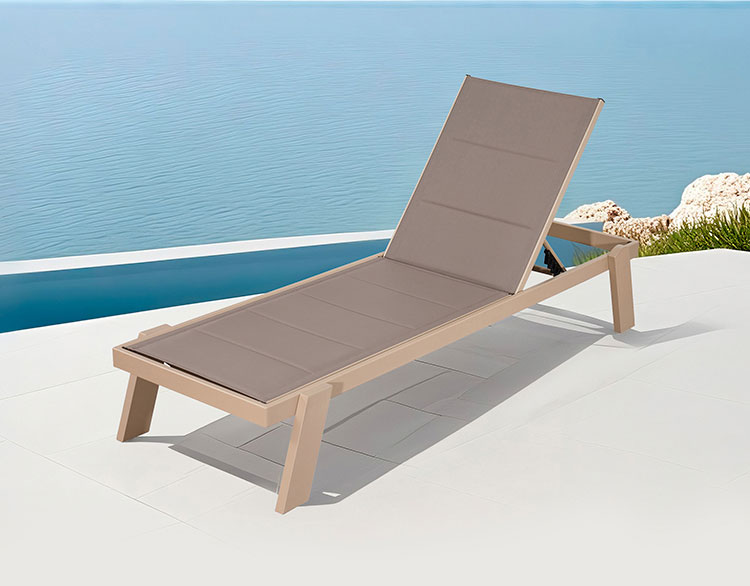
While premium loungers can be more expensive, their longer lifespan often makes them more cost-effective in the long run. For example, a teak lounger that lasts 15 years offers far greater value than a cheaper resin lounger that requires replacement every 5 years. Investing in high-quality outdoor furniture ensures better comfort, style, and durability.
Environmental Considerations
Durability is not only about saving money; it is also about sustainability. A long-lasting backyard sun lounger reduces waste and minimizes the environmental impact of frequent replacements. Choosing responsibly sourced wood or recyclable materials supports eco-friendly living while delivering years of relaxation.
Conclusion
A high-quality outdoor sun lounger can last anywhere from 7 to 15 years, depending on the material, usage, and level of care. Wooden and aluminum loungers tend to last the longest, especially when combined with weather-resistant fabrics. Proper maintenance—including cleaning, covering, and seasonal storage—is the key to extending lifespan. Ultimately, investing in premium outdoor furniture not only provides years of comfort but also ensures long-term value for homeowners seeking both style and sustainability.
READ MORE: