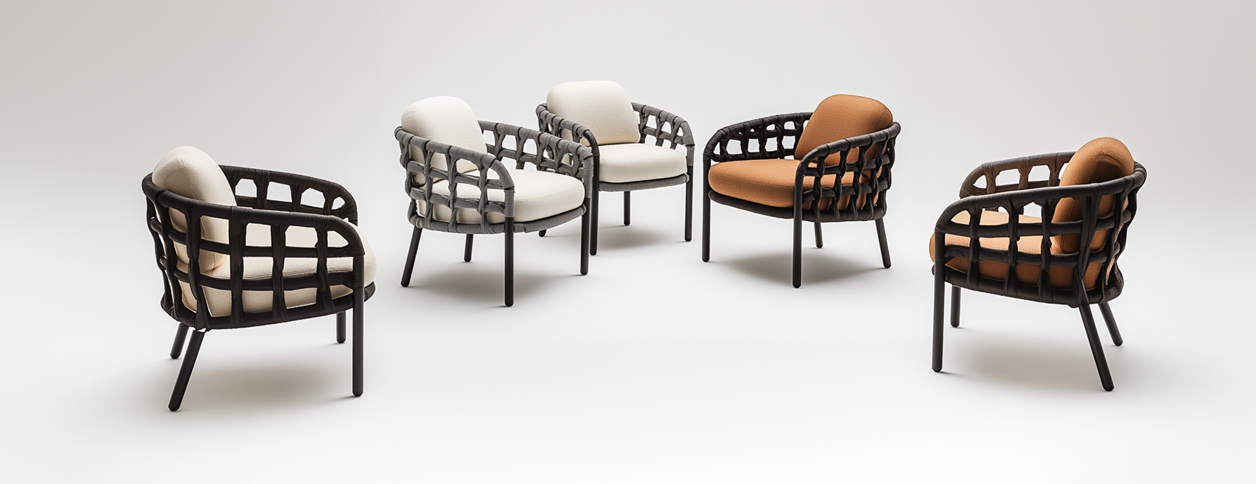
When people invest in a premium outdoor sun lounger, they expect comfort, style, and durability. Loungers are more than just pieces of furniture; they are essential for creating relaxing backyard retreats and poolside escapes. But how long can you really expect a high-quality lounger to last? The answer depends on a mix of material selection, environmental conditions, and ongoing maintenance. With the right choices and care, a well-built lounger can serve its owner for more than a decade.
.jpg)
.jpg)
Why Materials Matter Most
The material is the biggest factor influencing lifespan. Hardwood frames, such as teak or eucalyptus, are known for resilience. They resist rot and insects and can last for 15 to 20 years when maintained properly. Aluminum frames are also highly durable, being resistant to rust and lightweight enough to handle easily. Synthetic wicker is another strong option, designed to endure harsh weather for about 7 to 10 years. By contrast, lower-quality plastics may only last a few seasons. A top-tier outdoor sun lounger usually combines sturdy frames with weather-resistant fabrics to ensure long-term value.
Fabrics and Cushions: Often Overlooked
Frames get the most attention, but cushions and fabrics are equally important. UV exposure can fade fabric, while moisture can lead to mold or mildew. Modern textiles are far more advanced, with UV protection, quick-drying foam, and antimicrobial properties. A waterproof sun lounger equipped with these high-performance fabrics can remain comfortable and stylish for 5 to 8 years before needing cushion replacement. Premium fabrics ensure that the lounger remains inviting even after long exposure to sun and rain.
Climate Considerations
Where you live plays a big role in how long your lounger lasts. In hot, sunny climates, UV rays can damage both fabrics and finishes, shortening lifespan. In coastal areas, salt air accelerates corrosion, while in snowy regions, freezing and thawing cycles may weaken materials. Using protective covers and storing loungers during extreme conditions can add years of use. For example, a backyard sun lounger in a moderate climate might last significantly longer than one in harsher environments.
.jpg)
.jpg)
Maintenance Practices That Prolong Use
Maintenance is the difference between a lounger that lasts five years and one that lasts fifteen. Some recommended practices include:
Cleaning the frame with mild soap regularly
Applying sealants or oils to wooden loungers annually
Storing cushions indoors during rainy or winter months
Using breathable covers to shield against UV and storms
Even the strongest outdoor sun lounger benefits from consistent care. Ignoring maintenance accelerates wear, but routine attention ensures long-term satisfaction.
Average Lifespan by Type
To give a clearer picture, here are average expectations for different types:
Teak or hardwood: 15–20 years
Aluminum: 10–15 years
Synthetic wicker: 7–10 years
High-quality resin: 5–7 years
A premium waterproof sun lounger often performs at the higher end of these ranges, especially when stored properly during off-seasons.
When Is It Time to Replace?
Even the best lounger eventually reaches the end of its life. Telltale signs include splintering wood, frames that wobble, or cushions that remain damp despite waterproofing. Once the lounger no longer provides comfort or safety, it is time to replace it. For many, this moment arrives after a decade or more, depending on usage and care.
.jpg)
.jpg)
The Value of Investing in Premium Loungers
Though high-quality loungers cost more upfront, they save money in the long run by lasting longer. Buying one teak lounger that endures for 15 years is more economical than replacing a cheap model every five years. In addition, premium loungers offer superior design and comfort, making them a worthwhile investment in lifestyle. A well-maintained backyard sun lounger becomes a centerpiece of outdoor leisure for years.
Sustainability and Longevity
Durability isn’t just about cost savings—it also supports environmental responsibility. Long-lasting products reduce waste and conserve resources. Choosing sustainably sourced wood or recyclable aluminum means your outdoor furniture provides both enjoyment and eco-conscious value.
Conclusion
A high-quality outdoor sun lounger typically lasts between 10 and 20 years, depending on material and maintenance. Wood and aluminum designs offer the greatest durability, while fabric quality influences overall comfort and longevity. Regular cleaning, covering, and seasonal storage are essential practices. With the right care, your outdoor furniture not only lasts for years but also enhances your home’s outdoor living space with timeless comfort and style.
READ MORE: