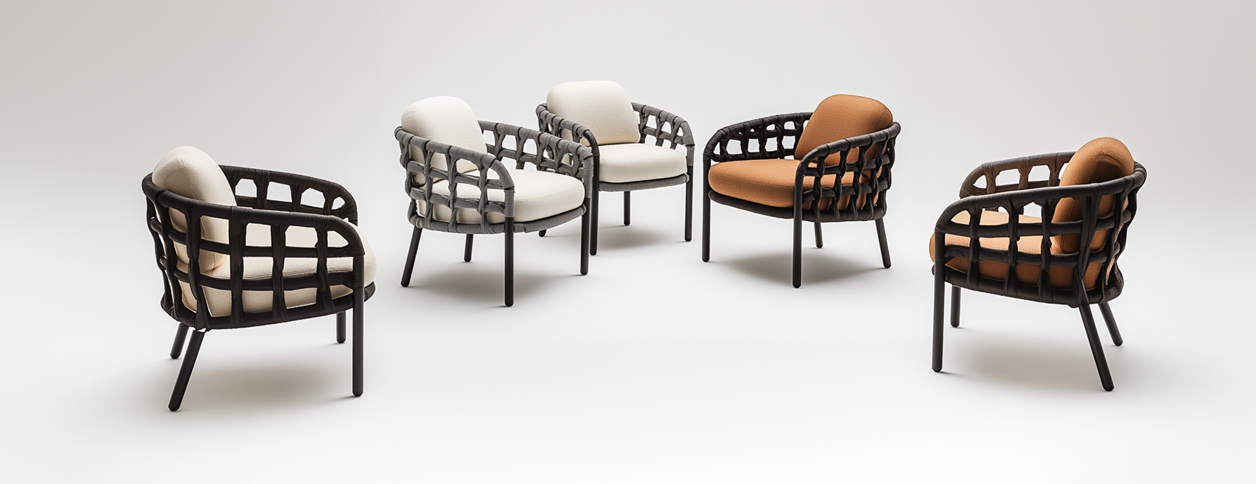
When people imagine backyard relaxation, the image almost always includes a comfortable outdoor sun lounger by the pool or on the patio. Loungers are more than just furniture—they’re symbols of leisure and comfort. But one detail often overlooked during purchase is weight capacity. How much weight can a typical lounger support? The answer is more complex than a single number, and it depends on several design and material factors.
This article takes a deep dive into weight capacity, explaining standard ranges, what influences them, and how to choose a lounger that provides both safety and style.
.jpg)
.jpg)
Standard Weight Capacity
Most loungers are designed to hold between 220 and 330 pounds (100–150 kilograms). This range is suitable for most adults and ensures reliable performance under typical use. However, there are many models built for heavier loads, with some premium loungers supporting 400–500 pounds.
A backyard sun lounger constructed from durable hardwoods or heavy steel can support more weight than a lightweight aluminum model, though modern aluminum engineering has greatly improved strength without adding bulk.
Why It Matters
The weight capacity of a lounger is not just a guideline—it’s a crucial measure of safety. Exceeding the maximum load can cause bending, fabric tearing, or even structural collapse. For households with multiple users or commercial spaces such as hotels, choosing higher-capacity models ensures safety and durability.
A waterproof sun lounger with reinforced fabrics and strong frames provides the added benefit of withstanding environmental stress as well as weight. This dual strength ensures longevity in both private and public use.
.jpg)
.jpg)
Material Influence on Strength
The choice of material largely determines how much a lounger can hold:
Wooden Frames: Teak, eucalyptus, and acacia are popular woods that provide natural strength. A backyard sun lounger made from teak may last decades and support heavier loads thanks to its density.
Aluminum Frames: Lightweight but strong, aluminum is easy to move. Reinforced aluminum frames with powder coating often have surprisingly high weight capacities while also being rust-resistant.
Steel Frames: Steel is the strongest and heaviest option, often used in commercial loungers. It handles large weights easily but is harder to transport.
Fabric and Cushion Systems
The fabric system is equally important. Sling fabrics, mesh designs, or cushioned loungers must be made from durable textiles. Waterproof fabrics, in particular, are built to resist tearing and sagging under stress. A waterproof sun lounger typically uses advanced synthetic materials that combine flexibility with durability, ensuring both comfort and strength.
Structural Design
Good design enhances weight capacity. Features such as wide frames, reinforced joints, and cross-bracing distribute load more effectively. Adjustable loungers with multiple reclining positions need stronger mechanisms to support shifting weight safely.
Loungers with poor engineering may feel unstable even within their weight limits, while well-designed models remain steady and secure.
_qljn6b.jpg)
_oRFxNo.jpg)
Commercial vs. Residential Capacity
Commercial-grade loungers are almost always built with higher weight capacities. Resorts, spas, and hotels select loungers that can endure constant use by a wide variety of guests. Many of these models support 400 pounds or more.
For homeowners, it is wise to apply the same standard. Choosing a higher-capacity outdoor sun lounger ensures durability even if only used seasonally.
Comfort and Stability
Interestingly, loungers with higher weight ratings often feel more comfortable. Their sturdier frames provide better stability, reducing wobbling or creaking. This stability contributes to peace of mind and allows users to fully relax.
A backyard sun lounger with strong capacity also provides versatility. Families can use it confidently, knowing it will remain reliable even with children climbing onto it or multiple users sitting briefly together.
Waterproof Loungers and Longevity
Waterproof designs extend not only durability but also weight reliability. A waterproof sun lounger resists moisture damage, preventing materials from weakening over time. Frames stay strong, fabrics remain intact, and joints don’t rust.
This means that waterproof models maintain their rated capacity longer than non-waterproof alternatives. They are particularly valuable in humid climates or poolside setups.
Maintenance to Preserve Capacity
Even the strongest lounger requires care. Wooden models benefit from seasonal oiling to prevent cracks. Aluminum and steel should be cleaned regularly to prevent rust at joints. Cushions and fabrics should be inspected for wear and replaced when needed.
Proper maintenance ensures that the lounger continues to support its maximum rated weight safely for years.
Matching Loungers with Outdoor Furniture
Weight capacity should also be considered in the context of the entire backyard design. A sturdy lounger pairs well with durable outdoor furniture, creating a cohesive setup that is both stylish and functional. High-capacity loungers prevent your seating area from feeling like the “weak point” of your outdoor arrangement.
Conclusion
A typical outdoor sun lounger supports 220–330 pounds, while stronger models can handle up to 500 pounds. Factors such as frame material, design, and waterproofing all influence how much weight a lounger can safely hold.
For homeowners, choosing a high-capacity backyard sun lounger ensures safety, comfort, and durability. A waterproof sun lounger further enhances longevity, making it an excellent investment. As an essential piece of outdoor furniture, the right lounger combines style with strength, guaranteeing years of reliable relaxation.
READ MORE: