The outdoor sun lounger is more than just a piece of furniture—it is the centerpiece of backyard comfort and poolside living. People expect loungers to provide relaxation, durability, and style, but one practical detail often overlooked is weight capacity. How much weight can a typical lounger actually handle, and what determines its strength?
This article provides a complete guide to understanding weight limits, the factors that influence them, and how to choose the right lounger for your home or commercial space.
Standard Weight Capacity
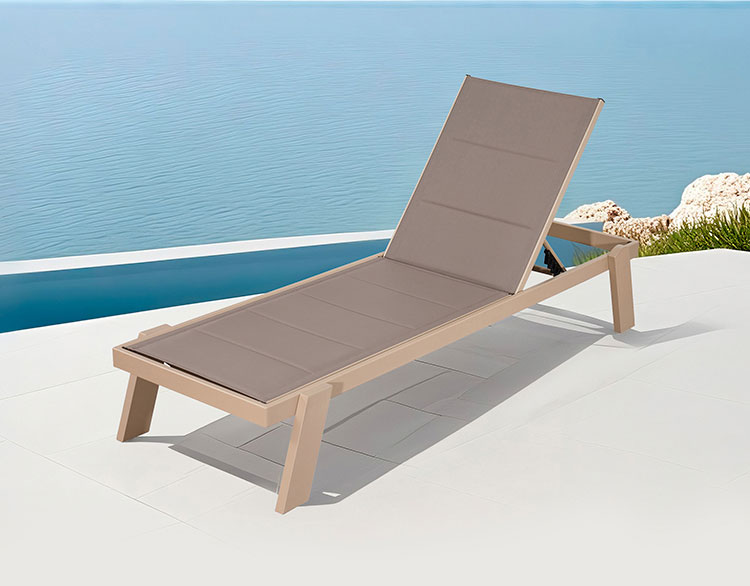
Most loungers are designed to support between 220 and 330 pounds (100–150 kilograms). This range works for the majority of users. However, premium designs and heavy-duty models can support 400–500 pounds. Resorts and spas often choose loungers rated for higher capacities to accommodate diverse guests and constant use.
A backyard sun lounger made from hardwood like teak or heavy-gauge steel can usually handle more weight than a lightweight aluminum version. Still, innovations in aluminum design have closed the gap, offering loungers that combine portability with strength.
Why Weight Ratings Matter
Ignoring weight capacity isn’t just risky—it can shorten the life of the lounger and compromise safety. Exceeding the limit can bend frames, tear fabrics, and destabilize reclining mechanisms.
For families, choosing a high-capacity outdoor sun lounger provides peace of mind. Even if multiple users occasionally sit together, the lounger will remain stable and reliable.
Material Choices and Their Impact
The frame material is the most important factor in determining strength.
Wood: Teak and eucalyptus are dense and naturally strong. A backyard sun lounger in teak is sturdy, stylish, and capable of supporting heavy weights, though it requires maintenance.
Aluminum: Light and rust-resistant, aluminum is popular for its portability. A waterproof sun lounger built with reinforced aluminum frames and powder-coated finishes can offer impressive strength while remaining lightweight.
Steel: The strongest option, though heavy. Steel loungers are often used in resorts, where durability outweighs portability concerns.
Fabric and Cushion Durability
The fabric system is just as important as the frame. Low-quality fabric may stretch or tear under weight. High-quality sling fabric, quick-dry foam, and waterproof cushions distribute pressure more evenly, allowing the lounger to handle higher capacities.
A waterproof sun lounger usually incorporates advanced fabrics with reinforced stitching. These not only resist rain and sun damage but also perform better under stress.
.jpg)
.jpg)
Engineering and Design
Beyond materials, engineering details enhance strength. Loungers with wide bases, cross-bracing, and reinforced joints distribute weight effectively. Adjustable recliners must be carefully designed to handle shifting weight when the angle changes.
Poorly designed loungers may fail even within their rated capacity, while well-engineered models remain stable under heavier loads.
Comfort, Stability, and Weight Capacity
Capacity influences comfort. Loungers with higher ratings tend to feel sturdier, with less wobbling or creaking. This stability contributes to relaxation and allows users to stretch out without concern.
For households with diverse users, a backyard sun lounger with higher capacity is practical. It ensures that everyone—from children to heavier adults—can enjoy it safely.
Waterproof Loungers and Long-Term Reliability
A waterproof sun lounger is particularly valuable in humid or poolside environments. By resisting moisture, rust, and mold, waterproof designs maintain their weight-bearing ability longer than non-waterproof versions. Powder-coated aluminum, treated wood, and weatherproof fabrics keep the structure strong even after years of exposure.
In coastal or tropical climates, waterproof loungers are not a luxury but a necessity for long-term reliability.
.jpg)
.jpg)
Commercial vs. Residential Loungers
Commercial loungers are designed for heavy use and higher capacities. Resorts, hotels, and spas need models that endure constant use without losing stability. Many commercial-grade loungers support 400 pounds or more.
For residential buyers, choosing commercial-quality standards is a smart move. Even if used less frequently, a high-capacity outdoor sun lounger ensures years of worry-free enjoyment.
Maintenance Tips to Preserve Strength
Even high-capacity loungers need care to stay strong.
Wooden Frames: Oil or seal annually to prevent cracking.
Aluminum Frames: Clean regularly and check for loose joints.
Steel Frames: Protect from rust with coatings or covers.
Cushions and Fabrics: Store indoors during bad weather and replace when worn.
Proper care maintains both appearance and weight capacity over time.
Choosing the Right Lounger
When selecting a lounger, think about more than just looks:
User Needs: Who will use it most often?
Capacity Margin: Choose a lounger rated for more weight than expected.
Materials: Match strength with climate needs—wood for durability, aluminum for portability, steel for strength.
Style: Ensure the lounger coordinates with other outdoor furniture for a cohesive look.
Location: A waterproof sun lounger is best for poolside or coastal use.
Conclusion
A typical outdoor sun lounger supports 220–330 pounds, while heavy-duty models can handle 400–500 pounds. Weight capacity depends on frame material, design, and fabric quality. For those seeking safety, comfort, and durability, choosing a high-capacity backyard sun lounger or a waterproof sun lounger is the best investment.
As an essential piece of outdoor furniture, the sun lounger represents more than relaxation. It embodies trust in design and strength, ensuring that every moment spent outdoors is both comfortable and safe.
READ MORE: