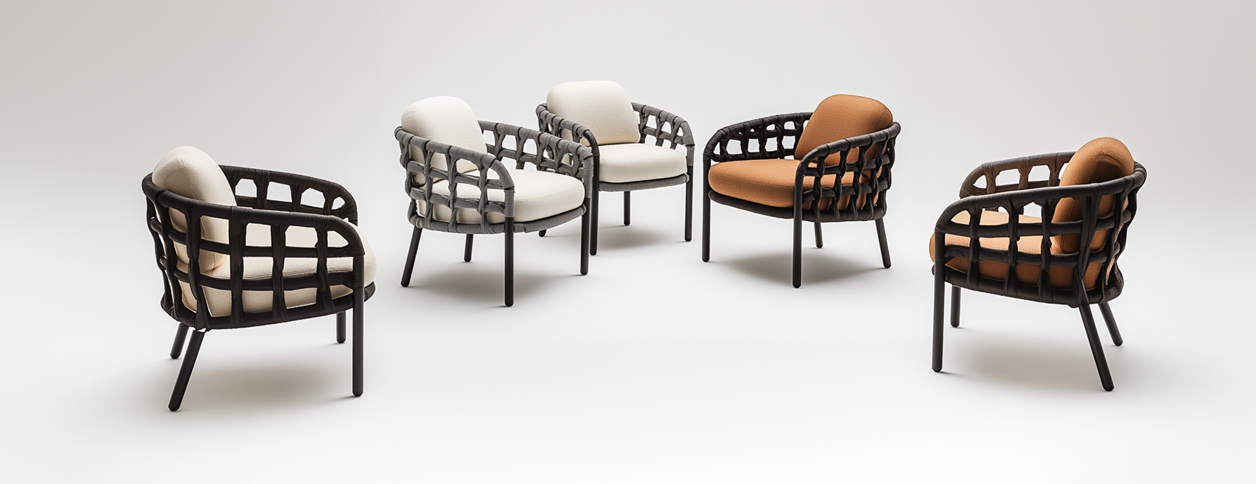
When selecting an outdoor sun lounger, many people focus on comfort, durability, and price. However, color is often underestimated despite being one of the most influential factors in outdoor design. The right shade can determine how welcoming a backyard feels, how relaxing a poolside appears, and how well the furniture blends into the environment. In today’s outdoor living trends, color has become a statement of personality and lifestyle.
_cjjqap.jpg)
_Wo0s3h.jpg)
Classic Neutrals: Safe, Elegant, and Timeless
Neutral colors like white, beige, and light grey remain the top choices for homeowners and designers. They provide a clean, versatile base that harmonizes with almost any setting. For example, a backyard sun lounger in soft beige works equally well on a wooden deck, a tiled patio, or next to a sparkling pool. These tones create a calm environment that encourages relaxation. They also make it easier to experiment with colorful cushions, umbrellas, or other décor elements without overwhelming the space.
Deeper Tones: Bold Sophistication for Modern Spaces
In recent years, darker shades such as charcoal, black, and navy have gained popularity. These colors are favored in contemporary spaces, where they provide sleek elegance and contrast beautifully against lighter flooring or pool tiles. A dark outdoor sun lounger feels refined and modern, making it a perfect match for homes with minimalist or industrial architecture. These tones also have the advantage of hiding dirt and stains, reducing the frequency of visible wear compared to lighter colors.
Vibrant Shades: Injecting Life Into Outdoor Settings
For homeowners who want to bring personality and fun into their outdoor design, bright colors are the answer. Turquoise, coral, yellow, and even lime green have made their way into patio furniture collections. Thanks to UV-resistant fabrics and weatherproof finishes, a waterproof sun lounger in these lively shades retains its brightness even under the summer sun. These colors are especially popular in coastal or tropical regions, where vibrant hues echo the surrounding landscape. A single bold lounger can serve as the centerpiece of an otherwise neutral patio.
.jpg)
.jpg)
Earthy and Natural Finishes: Connecting With Nature
Wooden loungers with natural finishes remain enduring favorites, particularly among eco-conscious buyers. Materials such as teak or acacia add warmth and authenticity to any outdoor area. Combined with cream or white cushions, they create an inviting and organic aesthetic. A backyard sun lounger with a natural wood tone not only looks elegant but also complements gardens, lawns, and landscapes beautifully. This style reflects growing interest in sustainability, reminding us that outdoor furniture can be both functional and environmentally responsible.
Dual-Tone and Minimalist Approaches
A more recent design trend is the dual-tone lounger, where the frame and cushions feature contrasting shades. For instance, a sleek black frame paired with beige cushions strikes a sophisticated balance between boldness and subtlety. Minimalist palettes—light woods, soft greys, and whites—are also on the rise, especially in homes influenced by Scandinavian design. A waterproof sun lounger designed with these palettes provides weather resistance while maintaining a clean, uncluttered look that appeals to those who appreciate simplicity.
Balancing Aesthetics With Practicality
When selecting lounger colors, it’s important to consider both beauty and function. Light shades create a fresh look but require more cleaning. Darker colors stay cleaner longer but may heat up under strong sunlight, making them uncomfortable without cushions or covers. For many homeowners, mid-tones such as sandy beige or warm grey provide the best compromise. Updating fabrics or cushion covers seasonally is also a practical way to refresh the look of your outdoor furniture without replacing the entire lounger.
.jpg)
.jpg)
Conclusion: Personalizing Outdoor Comfort
The most popular colors for sun loungers reflect a mix of tradition and innovation. Neutrals remain safe and elegant, dark tones offer bold sophistication, vibrant shades inject energy, and natural finishes connect with the environment. Dual-tone and minimalist styles add a modern twist for homeowners seeking fresh design options. Ultimately, the best choice is the one that balances style, practicality, and your personal vision of relaxation. By choosing the right color for your outdoor sun lounger, you ensure that your outdoor space is not only functional but also a true extension of your lifestyle.
READ MORE: