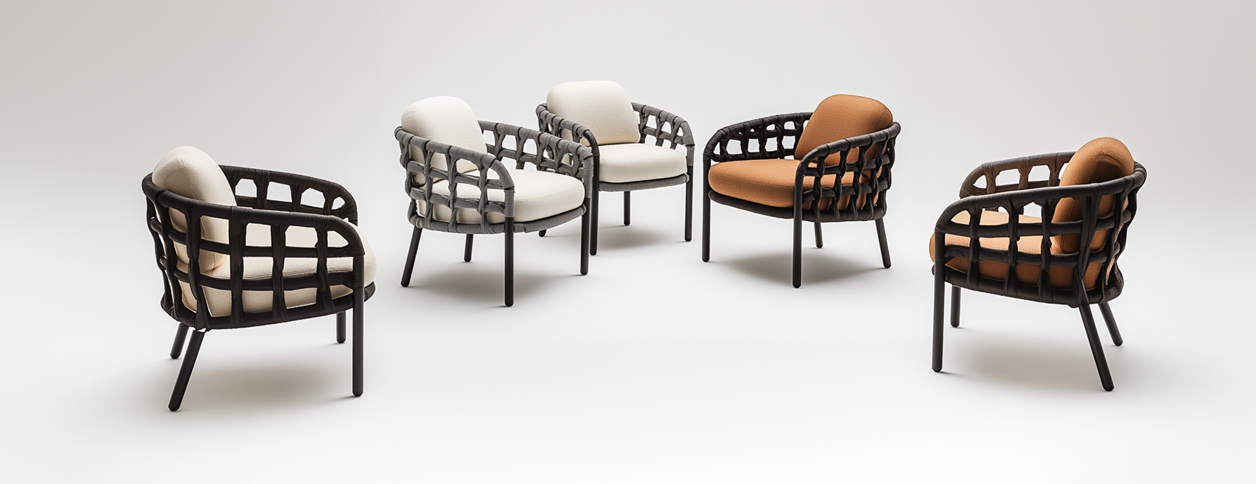
In today’s outdoor living culture, color is one of the most influential factors when selecting an outdoor sun lounger. While shape, material, and comfort are vital, the color you choose determines how your patio or garden feels—calm, vibrant, elegant, or playful. The right shade not only elevates style but also improves the overall outdoor experience. Understanding current trends can help homeowners and designers make choices that combine practicality with personality.
_0RpM3t.jpg)
_V9bRdp.jpg)
The Dominance of Neutrals
Neutral shades such as white, beige, ivory, and light grey continue to dominate the market. These colors create a timeless and flexible base that adapts to almost any environment. A backyard sun lounger in sandy beige works just as well in a rustic garden as it does beside a modern pool. Light neutrals bring brightness and serenity, making them ideal for creating a tranquil retreat. Resorts often rely on these tones to build a clean, harmonious aesthetic that appeals to a wide range of visitors.
Modern Elegance in Darker Tones
Alongside neutrals, darker hues like charcoal, navy, and black are gaining ground. These shades convey sophistication and pair especially well with minimalist or contemporary architecture. A dark outdoor sun lounger can serve as a striking contrast against light stone patios or pale wooden decking. Practicality is another advantage—dark colors do not show dirt as easily, making them suitable for families or busy outdoor spaces. However, they may absorb heat, which should be balanced with comfortable cushions.
Bright Pops of Color: Energy for Social Spaces
For homeowners who want to inject life into their outdoor areas, bold colors are the perfect solution. Turquoise, coral, and yellow are particularly popular for their cheerful and energetic vibe. A waterproof sun lounger in turquoise or coral instantly becomes the centerpiece of a patio, adding personality without requiring additional décor. Thanks to UV-resistant fabrics, these bright shades maintain their vibrancy even under prolonged sun exposure. Such loungers are perfect for social spaces where gatherings and parties take place.
Natural and Earth-Inspired Tones
Wooden frames and earthy finishes continue to attract attention, especially among environmentally conscious homeowners. Teak, acacia, and eucalyptus provide both durability and warmth, creating a natural look that blends seamlessly with gardens and landscapes. When paired with cream or white cushions, the result is organic elegance. A backyard sun lounger in natural wood tones reinforces the connection between people and nature. As sustainability becomes central in design, earthy shades emphasize authenticity and eco-friendly living.
Dual-Tone and Minimalist Approaches
A recent trend in outdoor design is the combination of contrasting colors to create sophisticated results. A black aluminum frame with beige cushions is a classic example, balancing boldness with subtlety. Minimalist palettes such as light grey, soft white, and pale wood are equally popular, especially in Scandinavian-inspired spaces. A waterproof sun lounger designed with dual tones or minimalist shades delivers both practicality and style, appealing to homeowners who favor simplicity without sacrificing elegance.
.jpg)
.jpg)
Balancing Style and Functionality
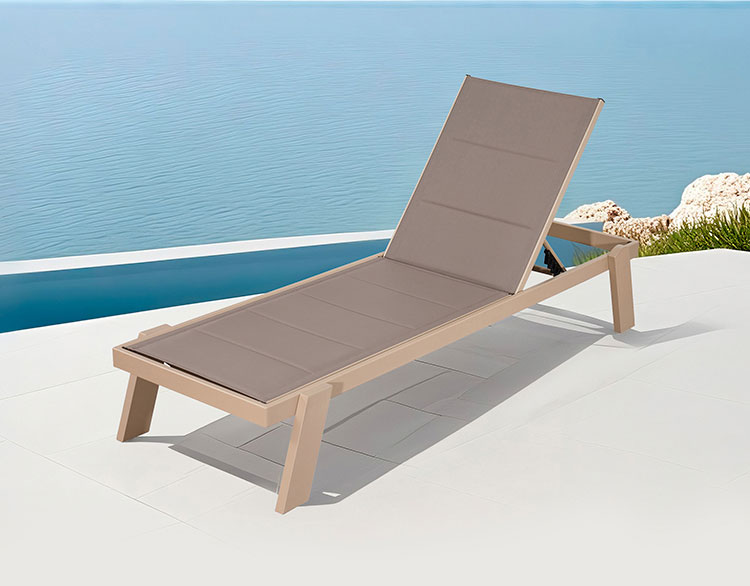
Choosing a lounger color is not only about aesthetics—it is also about practicality. Light colors look fresh but require more cleaning. Very dark tones reduce visible dirt but may heat up in strong sunlight. Mid-range shades like warm grey or sandy taupe often provide the best compromise. Another consideration is seasonality: bright colors shine in summer, while muted earthy tones feel more appropriate in autumn and winter. Updating fabric covers is an easy way to refresh outdoor furniture seasonally, extending its versatility.
Conclusion: Color as a Reflection of Lifestyle
The most popular colors for loungers—neutrals, dark tones, brights, and natural finishes—reflect evolving design preferences. Neutrals emphasize timeless appeal, dark tones highlight sophistication, bright shades energize social spaces, and natural finishes connect us to the environment. Dual-tone and minimalist palettes add modern variety. Ultimately, the color of your outdoor sun lounger or outdoor furniture is more than a decorative choice; it is a reflection of your lifestyle and the atmosphere you want to create. By selecting the right shade, you transform your patio, garden, or poolside into a true extension of your home.
READ MORE: