Smart layouts can transform small patios into cozy retreats. This article explores effective ways to arrange outdoor sun loungers for comfort and flow.
Small patios present unique challenges when it comes to arranging an outdoor sun lounger. With limited square footage, every inch counts, and it is essential to strike a balance between comfort, function, and aesthetics. Designing the right layout can transform a cramped space into a cozy retreat that feels spacious and inviting.
.jpg)
.jpg)
Prioritize Function Over Quantity
One of the first steps in planning a patio layout is deciding how many loungers are realistically needed. In small patios, fewer pieces often create a better flow. For example, a single backyard sun lounger strategically placed against a wall can maximize open space while still providing a dedicated relaxation spot. Alternatively, two loungers angled in an L-shape can create intimacy while leaving pathways unobstructed.
Optimize Placement for Sunlight and Shade
Patio orientation plays a crucial role in determining layout. Loungers should be positioned where they receive optimal sunlight during peak hours, but with flexibility to add shade when necessary. A waterproof sun lounger allows greater freedom in placement, as it can withstand unexpected rain or damp conditions without damage. Adding a slim umbrella or retractable awning ensures the area remains usable throughout the day.
.jpg)
.jpg)
Incorporate Multi-Functional Furniture
When space is tight, multipurpose outdoor furniture can make all the difference. Consider loungers with built-in storage for cushions or throws. Some models convert from a lounger to a bench, maximizing versatility. Pairing a compact side table with a lounger creates functionality without crowding the patio. By choosing furniture that serves multiple purposes, homeowners ensure every piece contributes to both style and practicality.
Create Visual Flow With Angles
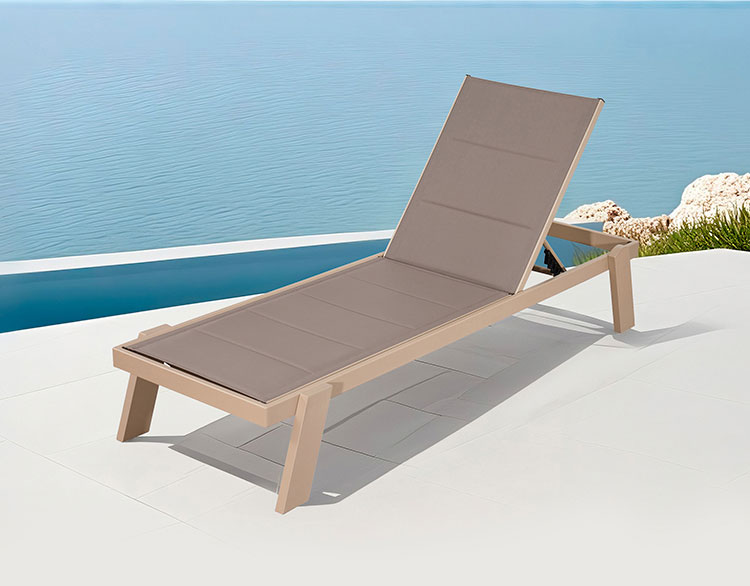
Angles are a powerful design tool in small spaces. Positioning an outdoor sun lounger diagonally across a corner draws the eye outward, making the patio feel larger. Symmetrical layouts, while appealing in large spaces, may feel rigid in small patios. Instead, asymmetrical arrangements bring movement and openness. A single lounger paired with greenery in opposite corners balances function and design.
Enhance With Vertical Elements
Vertical design strategies free up precious floor space. A wall-mounted shelf or narrow planter placed near a backyard sun lounger can provide storage and greenery without cluttering the ground. Hanging lanterns, wall-mounted lights, and vertical trellises contribute to ambiance while keeping the patio floor open. This approach maximizes comfort without overwhelming the space with bulky furniture.
Conclusion: Comfort and Flow in Compact Patios
The best layout for loungers in small patios emphasizes function, flow, and flexibility. Thoughtful placement of an outdoor sun lounger, use of multipurpose outdoor furniture, and strategic use of angles and vertical elements create a sense of spaciousness. Whether it’s one waterproof sun lounger in a quiet nook or two arranged diagonally for social gatherings, smart design ensures a small patio feels both inviting and efficient.
READ MORE: